
Ever see a dog in a bandana and wonder if it's just a fashion fad? It seems purely decorative, but there's more to it than meets the eye.
People put bandanas on dogs for both fashion and function. They are a popular way to express a dog's personality, but they can also be used for practical purposes like cooling, calming, increasing visibility, and communicating important messages to other people.
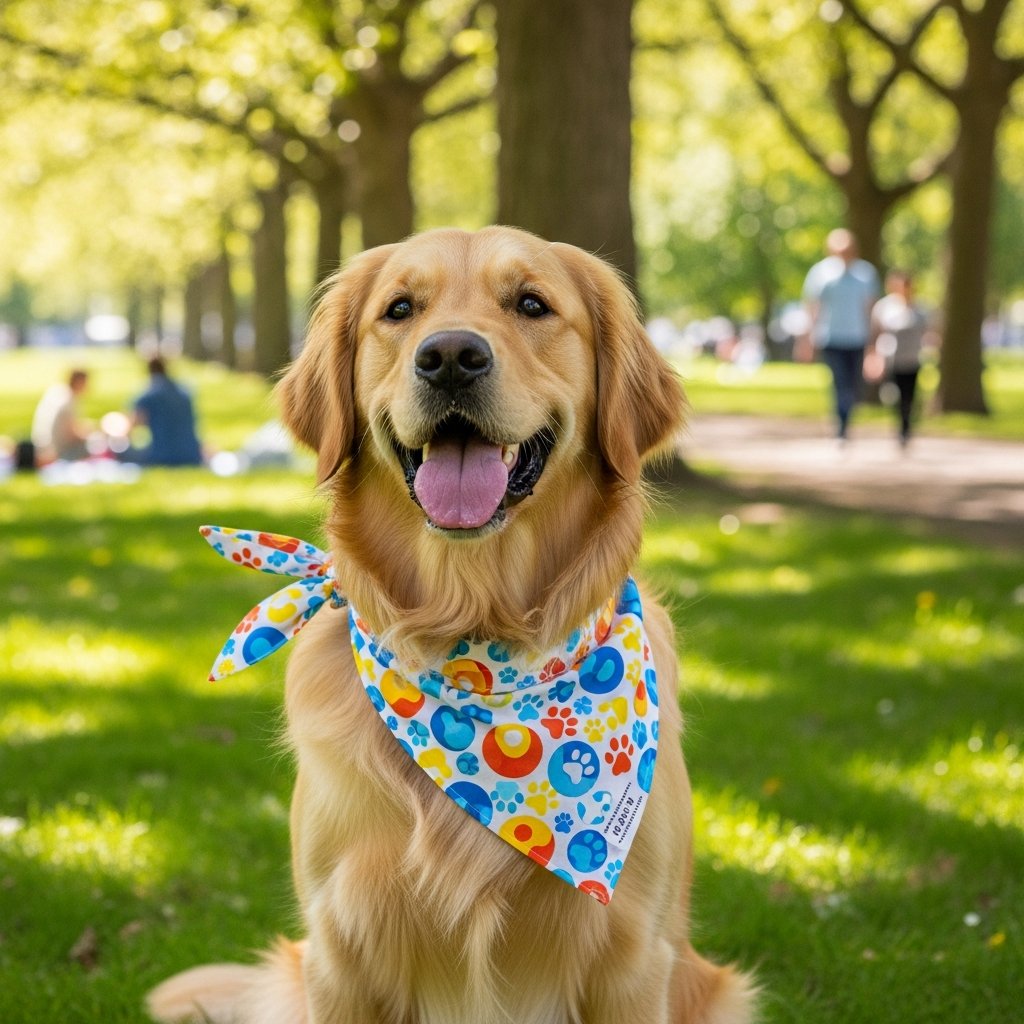
In my years designing pet accessories, I've seen bandanas evolve from a simple afterthought to a surprisingly versatile product category. What started as a cute way to accessorize a pet has now branched into functional gear that can improve a dog's safety and well-being. The key is understanding the different reasons behind their use, which opens up a lot of possibilities for thoughtful design. Let's start with the most obvious reason people reach for them.
Are dog bandanas just for fashion?
You might see a dog bandana as purely decorative, a bit of fun. But this view overlooks its important role in the human-animal bond and personal expression.
While fashion is a primary reason, bandanas are also a tool for human expression and bonding. They let owners share their style with their pet, making the dog feel more like a visible part of the family and strengthening their social connection.
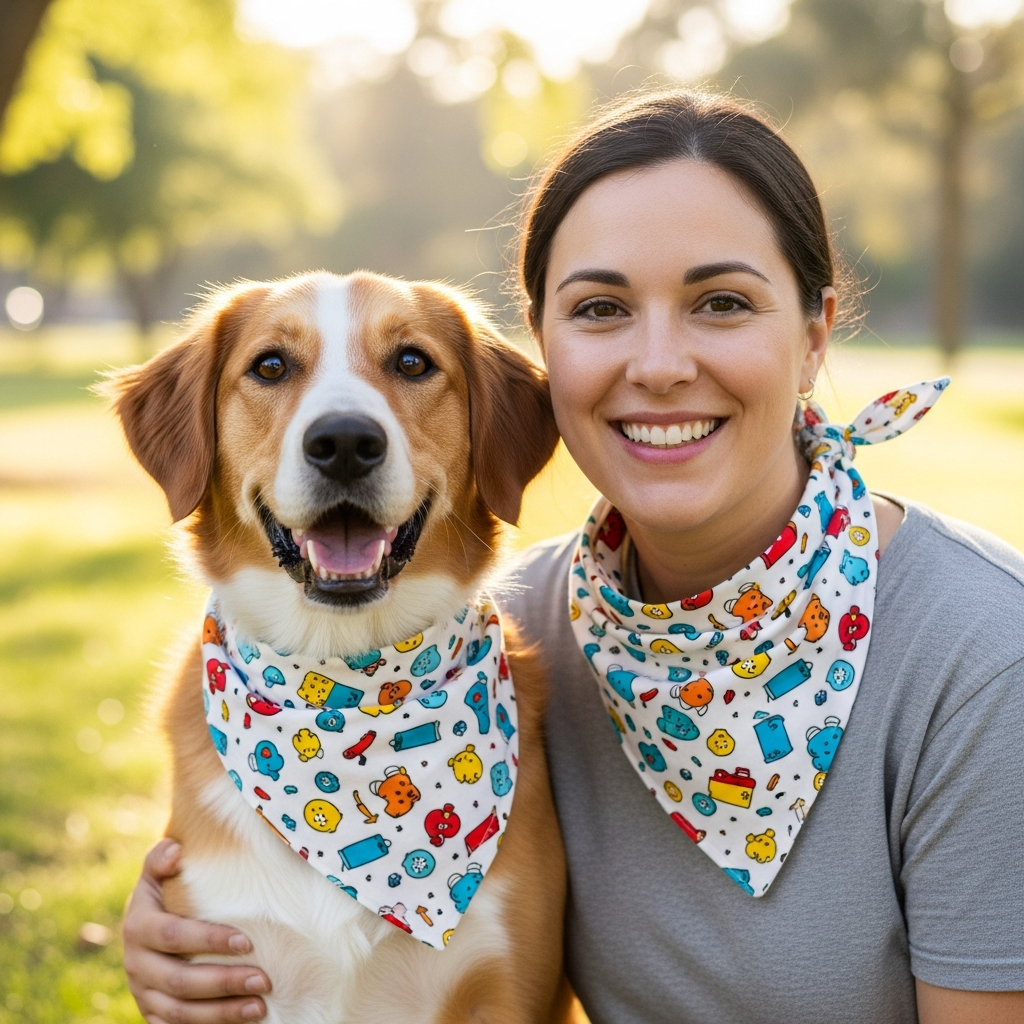
From a design perspective, the fashion aspect is huge. It taps directly into the "pet humanization" trend, where pets are treated as integral family members. A bandana is a simple, non-invasive way for an owner to say, "This is my dog, and they have a personality." We see this in the demand for seasonal patterns, holiday themes, and even custom bandanas with the dog's name. As a designer like Frank, this is an area rich with opportunity. Material choice, color palettes, and print designs all play a role. It's about creating a product that helps an owner express love.
More Than Just a Pretty Pattern
The bandana becomes a visual shorthand. A dog in a cute bandana is often perceived as more approachable. It signals that the owner is engaged and cares for their animal. For many people, picking out a bandana for their dog is a small ritual, a fun part of getting ready for an outing. It’s a low-cost, high-impact way to add a bit of joy and personality to the everyday routine of dog ownership.
Can bandanas serve a practical purpose for dogs?
You might think bandanas are frivolous. But you could be missing out on simple, effective solutions for your dog's safety, comfort, and communication needs.
Yes, bandanas have many practical uses. They can be used as cooling wraps in hot weather, as carriers for calming scents for anxious dogs, for high-visibility safety, and to display important messages like "In Training" or "Nervous."
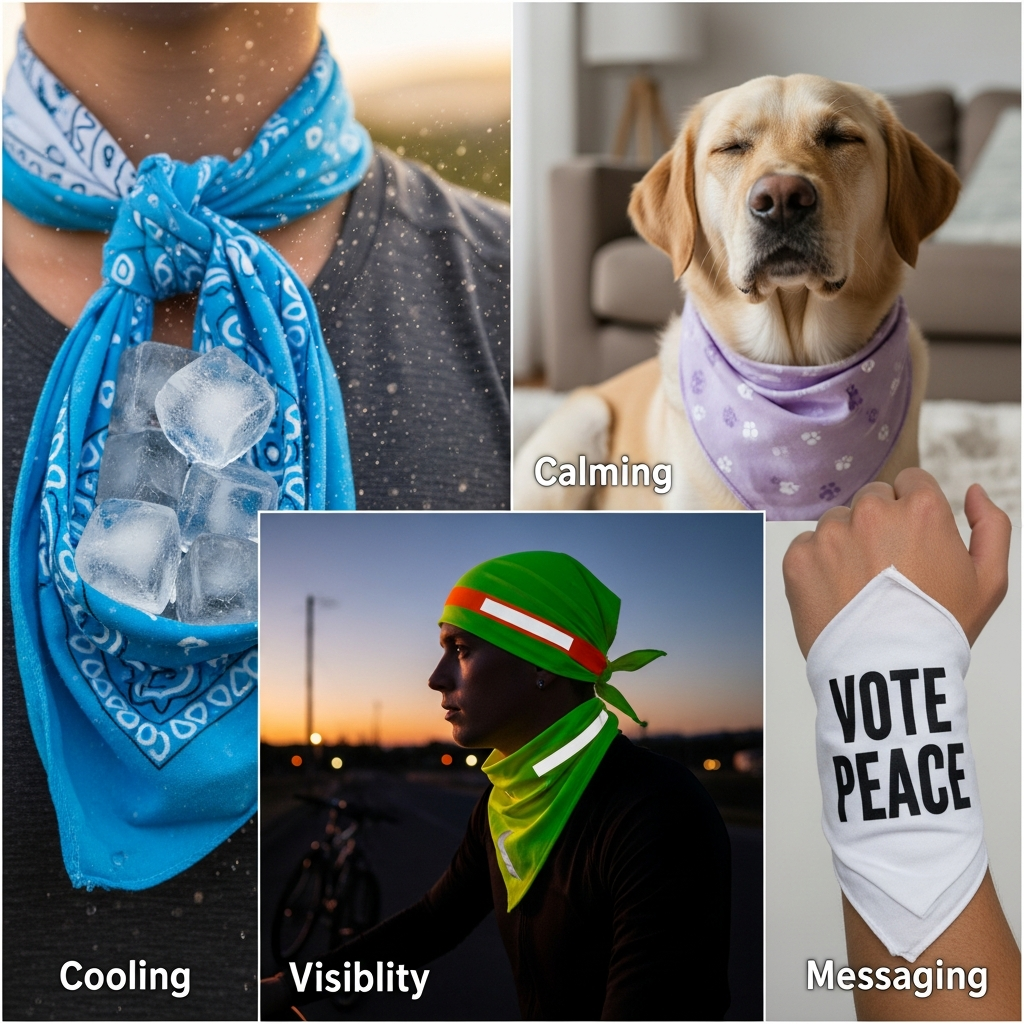
This is where my work gets really interesting—turning a simple piece of cloth into a functional tool. The potential applications are incredibly broad and depend entirely on design choices. A brand can create an entire line of functional bandanas, each tailored to a specific need. For a designer, this means thinking beyond the pattern and considering the material properties and end-use. It’s about solving a problem for the dog and the owner in a simple, accessible way.
Functional Design in Action
Here’s how I break down the practical applications when developing a new bandana concept:
| Function | Design Consideration | Material Choice |
|---|---|---|
| Cooling | Must be able to retain water for evaporation. | Lightweight cotton, or specialized cooling fabrics. |
| Calming | Needs to hold scent without irritating the skin. | Breathable, natural fibers like cotton or bamboo. |
| Visibility | Color and material must stand out in low light. | Neon colors, reflective strips, or fluorescent fabric. |
| Communication | Text must be large, clear, and easy to read. | Durable fabric that holds screen printing well. |
Each of these functions requires a different approach to design, proving that a bandana can be a highly technical piece of gear.
How do you safely put a bandana on a dog?
You want to use a bandana but are worried about safety. An improperly fitted bandana can be a genuine hazard, but avoiding risks is straightforward.
To safely put a bandana on a dog, ensure it's not too tight by following the "two-finger rule." It should be loose enough to prevent choking but not so loose it can get caught on objects. Always supervise your dog when they first wear one.
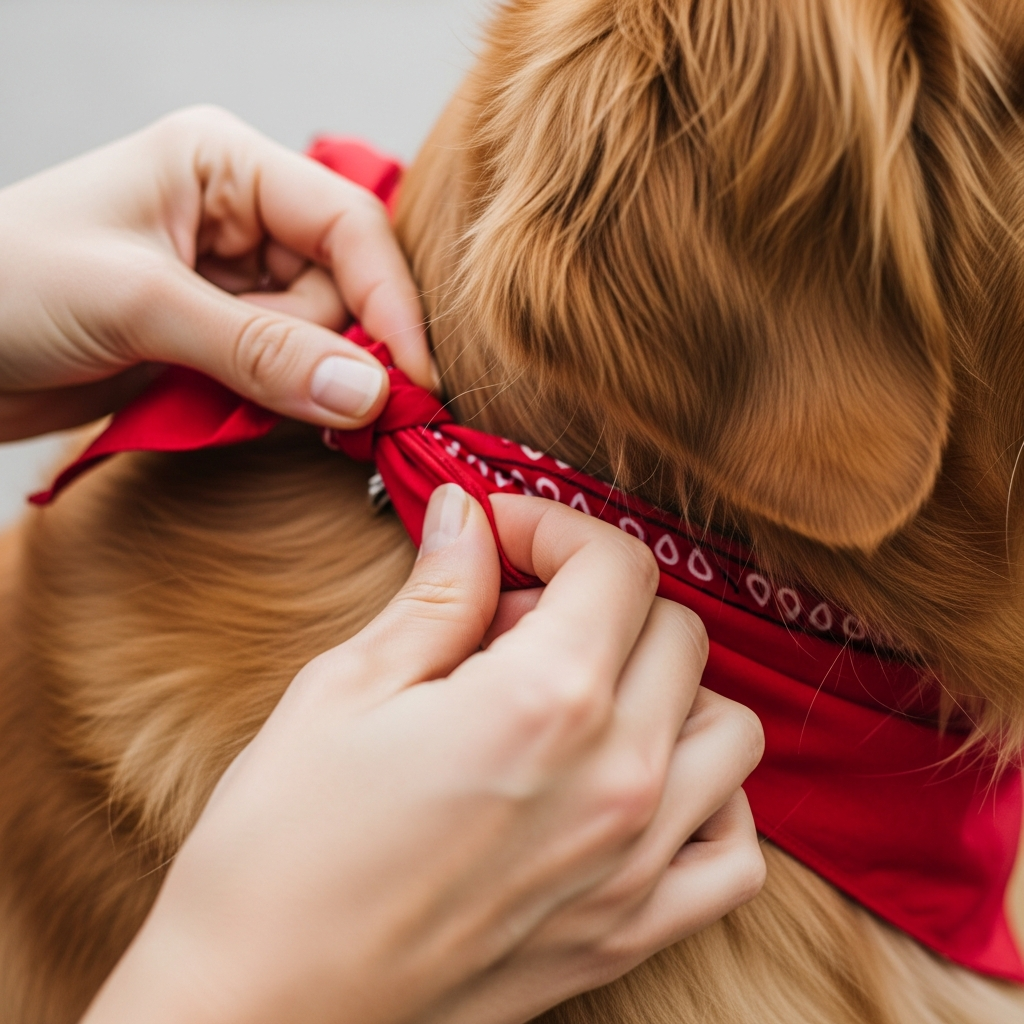
Safety is the foundation of any good pet product design. With bandanas, the primary risk is entanglement or choking, which comes down to fit and style. As designers, we can mitigate these risks from the very beginning. The two most common styles on the market—the traditional tie-on and the modern over-the-collar—each have their own safety profiles. I often recommend the over-the-collar style to brands concerned about liability because it removes the risk of an owner tying it too tightly.
The Designer's Approach to Safety
Let's compare the two main styles Frank might work on:
Tie-On Bandana
- Pros: Highly adjustable to fit a wide range of neck sizes. A classic, well-understood design.
- Cons: Risk of being tied too tightly by the owner. The knot and loose ends can get caught or snagged during play.
Over-the-Collar (Slip-On) Bandana
- Pros: Inherently safer. It can't be tied too tight, as its fit depends on the dog's existing, properly-fitted collar. No loose ends to snag.
- Cons: Less adjustable. Sizing must be more precise to fit different collar widths.
Ultimately, educating the customer is key. Including clear instructions on how to check the fit and recommending supervision are essential parts of responsible product design.
Conclusion
Bandanas are a perfect blend of fashion and function. They let us celebrate our dogs' personalities while also offering simple, clever solutions for their comfort and safety.

Cindy Long is the Sales Manager of Raysunpets and a pet lover with over 12 years of experience in exporting pet products. She specializes in providing customized dog chest carriers, leashes and pet accessory solutions for the European and American markets, always focusing on the real needs of customers and pets, and is committed to creating high-quality, practical and comfortable products that allow fur kids to live happier lives.