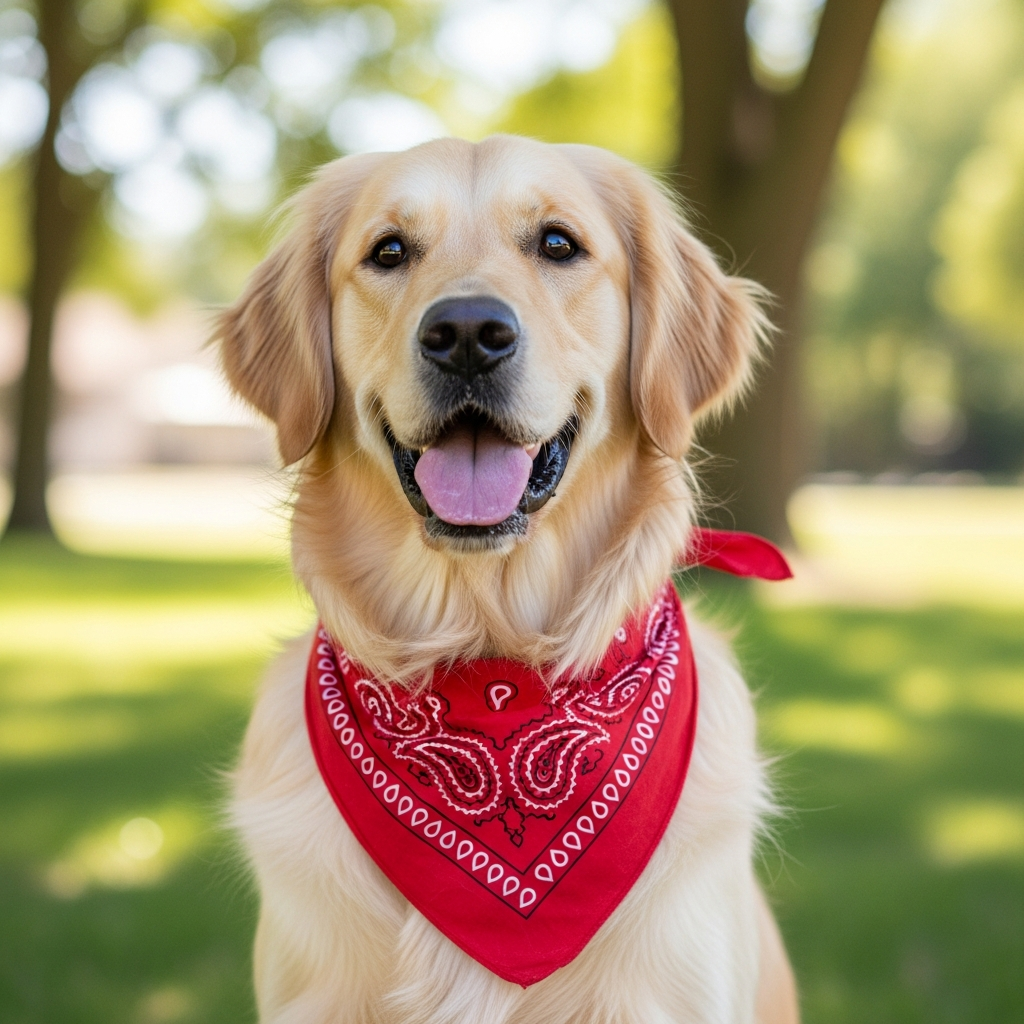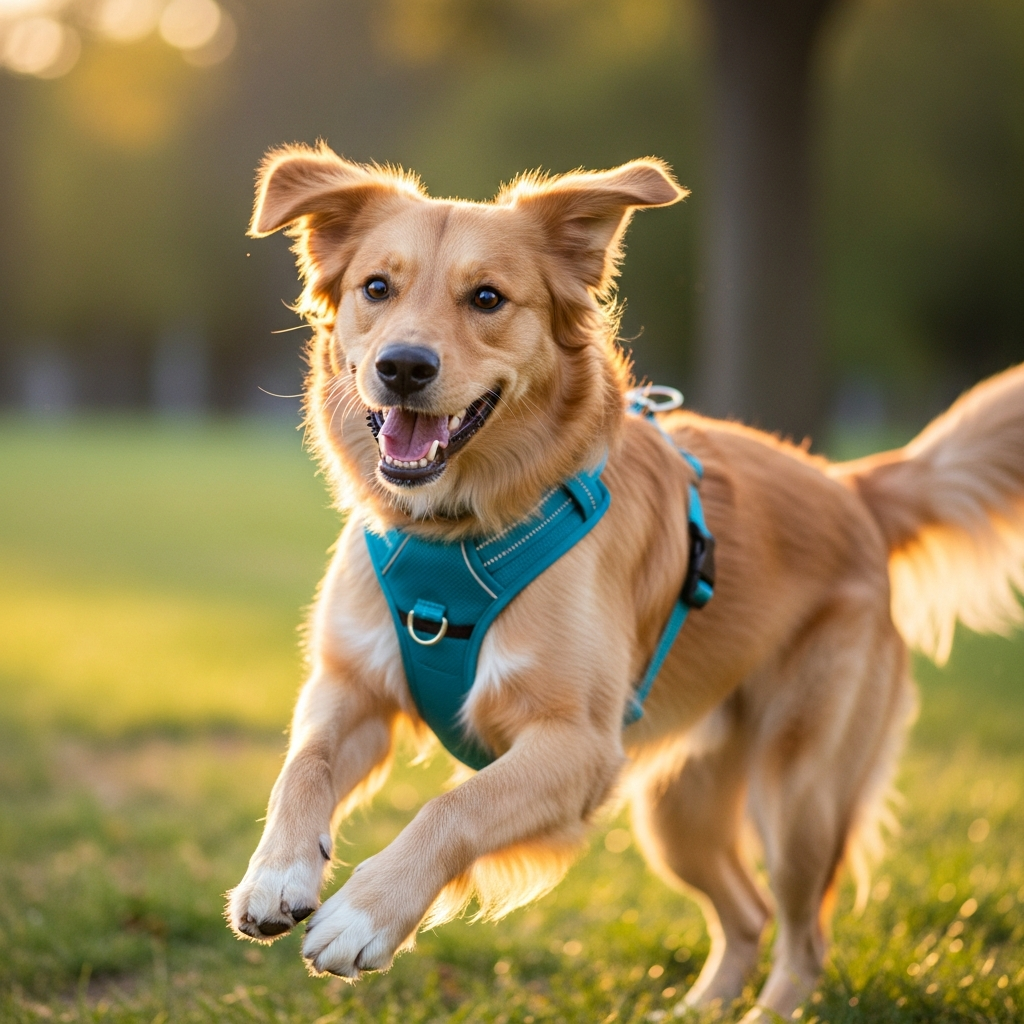
Are you wondering if your dog really needs that sweater? Many dog clothes look cute but aren't practical. You want something that genuinely helps your dog stay comfortable and safe.
Suitable dog clothes prioritize function, fit, and material. They should protect a dog from the elements, not restrict movement, and be made from safe, durable, and breathable fabrics. The best designs always consider the dog's breed, age, and specific needs.
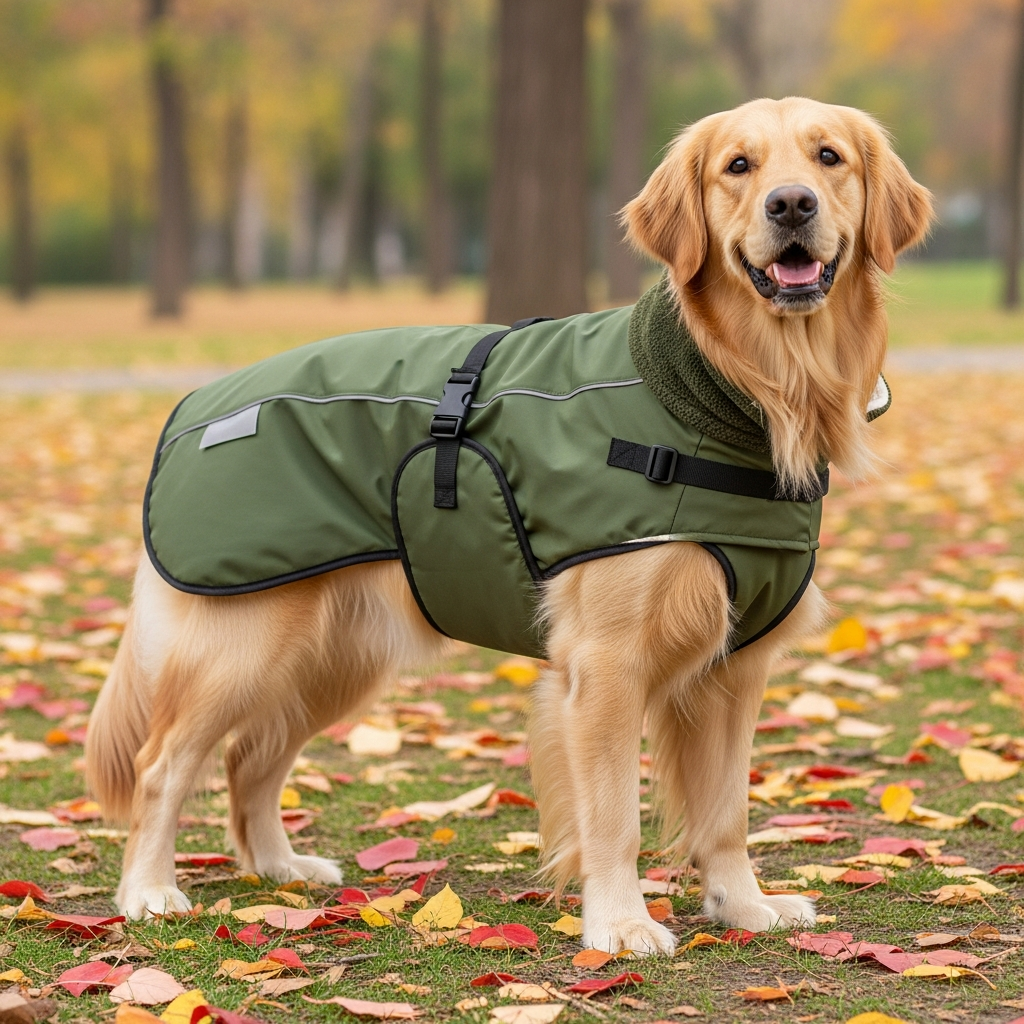
As a product designer in the pet industry for over a decade, I've seen countless dog apparel designs. Some are brilliant, and some are just plain bad for the dog. The difference always comes down to putting the dog's well-being ahead of human fashion trends. I learned that the best products come from a deep understanding of what a dog actually needs. Let's break down what makes dog clothing truly suitable, so you can make the best choices for your designs or for your own pet.
What Materials Are Best For Dog Clothing?
Choosing the wrong fabric can cause skin irritation, overheating, or just fall apart quickly. You need materials that are safe, durable, and comfortable. Let's find the right ones for your designs.
The best materials for dog clothes are breathable, durable, and non-toxic. For warmth, use fleece or wool blends. For rain protection, choose waterproof but breathable fabrics like coated nylon. For everyday wear, cotton blends are soft but can be less durable.
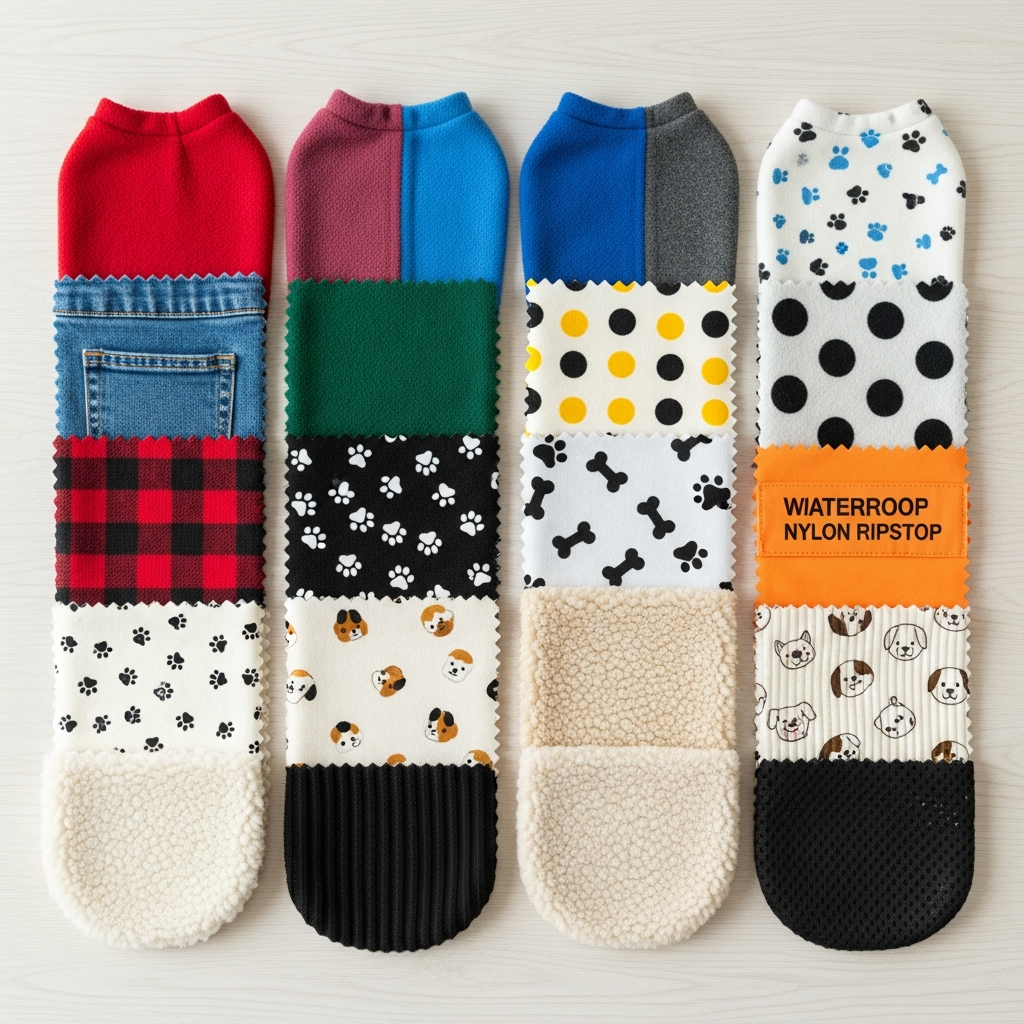
When I design a new piece of dog apparel, the material selection is my first and most critical step. It dictates the product's function, durability, and cost. For a designer like Frank, understanding the technical properties of fabrics is key. You're not just picking a color; you're engineering a piece of gear.
Functional Fabric Choices
The function of the garment should guide your choice. For a winter coat, I often start with a multi-layer design. The outer layer needs to be tough. I prefer a ripstop nylon or a coated polyester to block wind and water. The inner layer needs to provide insulation without being too bulky. A high-quality polyester fleece is perfect for this because it traps heat even when damp and dries quickly. For a cooling vest, the opposite is true. You need materials that facilitate evaporation, so specialized multi-layered, water-absorbent fabrics are necessary.
Material Safety and Durability
Safety is non-negotiable. I always source fabrics that are certified non-toxic. Dogs can chew on their clothes, so you have to assume any component could end up in their mouth. This also applies to hardware like zippers and buckles. On the durability front, consider how a dog lives. They run through bushes and roll on the ground. The material must withstand abrasion. Here’s a quick comparison of common choices:
| Material | Best Use Case | Pros | Cons |
|---|---|---|---|
| Polyester Fleece | Winter Coats, Sweaters | Warm, lightweight, dries fast | Can pill, holds static |
| Ripstop Nylon | Raincoats, Outdoor Gear | Waterproof, windproof, durable | Not very breathable |
| Cotton/Poly Blend | T-shirts, Hoodies | Soft, breathable, inexpensive | Stretches out, not durable |
| Softshell | All-Weather Jackets | Water-resistant, breathable, flexible | Less waterproof than hardshell |
How Should Dog Clothes Fit For Safety And Comfort?
A poor-fitting coat can rub, chafe, and even be a safety hazard. Your design must allow for full movement without being too loose. Getting the fit right is a huge challenge.
A well-fitting garment for a dog should be snug but not restrictive. Key areas like the neck, chest, and front legs must have enough room for free movement. It shouldn't have loose parts that can get snagged or become a chewing hazard.
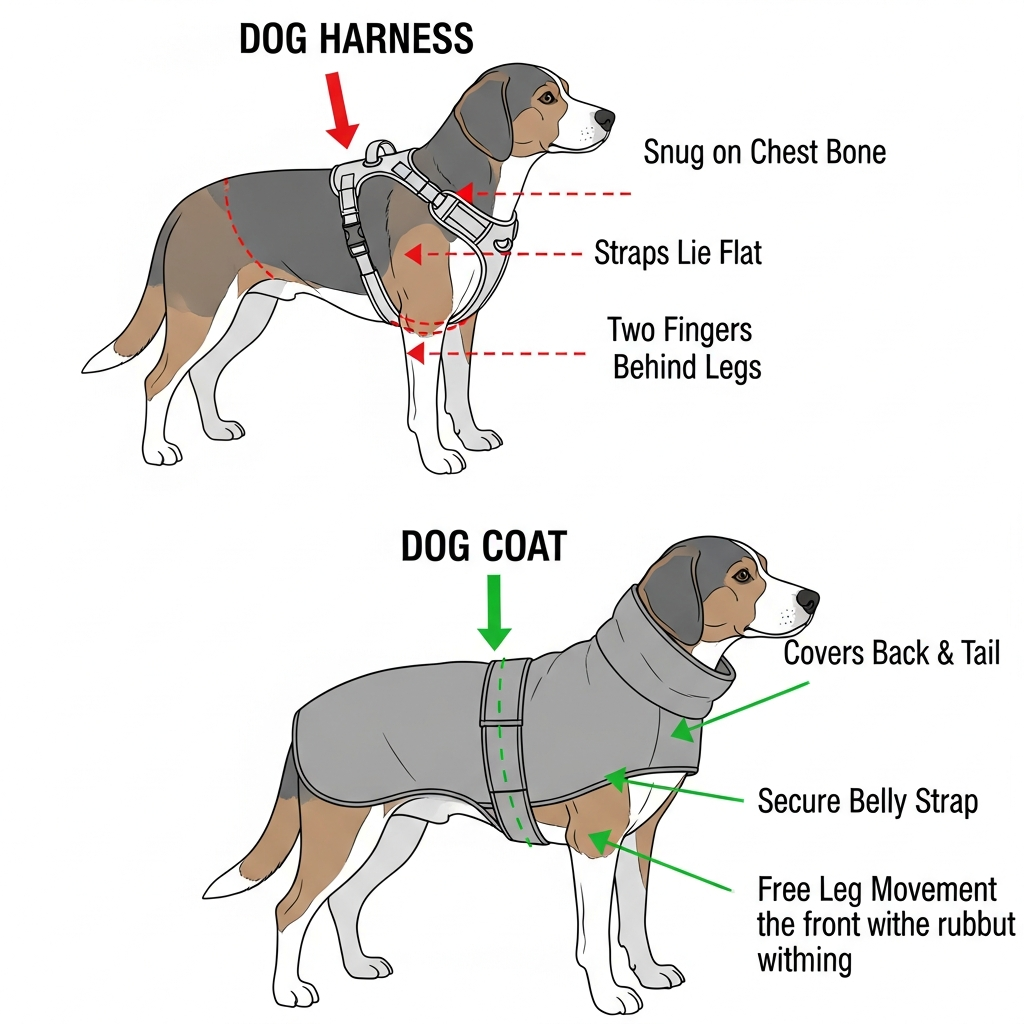
I remember one of my early projects was a harness for working dogs. The first prototype looked great, but during field testing, we noticed it was causing chafing under the front legs. This taught me a valuable lesson: fit is about more than just measurements; it's about ergonomics and movement. You have to design for a body that is constantly in motion, not a static mannequin.
Key Ergonomic Checkpoints
When I'm evaluating a prototype, I focus on a few critical areas. The neck opening should be large enough to not press on the trachea but secure enough that the garment doesn't slide around. The leg holes are the most common problem area. They must be cut high enough to not impede the shoulder's natural range of motion. If a dog can't extend its leg fully forward, the design has failed. The chest is another key area. A deep-chested dog like a Greyhound needs a very different pattern than a barrel-chested dog like a Bulldog.
Balancing Adjustability and Simplicity
To accommodate different body shapes, adjustability is essential. But adding too many straps and buckles can create new problems. They can be confusing for the owner and create potential snag points. My design philosophy is to build the core shape correctly for a specific body type and then add minimal, strategically placed adjustments. For example, a single adjustable strap around the torso is often more effective than multiple complex buckles.
Here’s how I approach fitting for different areas:
| Body Part | Design Goal | Common Pitfall | My Solution |
|---|---|---|---|
| Neck | Secure, no pressure on throat | Too tight, restricts breathing | Use a V-neck cut or soft, stretchy materials |
| Legs | Full range of motion | Leg holes are too small or low | Cut armholes higher and wider (sculpted cut) |
| Chest/Torso | Snug fit, no shifting | Too loose, gets tangled | Use adjustable belly straps with secure buckles |
| Rear | Covers back without hindering tail | Too long, interferes with toileting | Cut the rear section short and high |
Do Different Breeds Need Different Types Of Clothing?
You've designed a perfect coat, but it only fits Labradors. Dogs have incredibly diverse body shapes. A one-size-fits-all approach just doesn't work in professional dog gear design.
Yes, different breeds require different types of clothing due to vast differences in body shape, coat type, and original purpose. A long-bodied Dachshund needs a different pattern than a deep-chested Boxer, and a hairless breed needs more protection than a Husky.
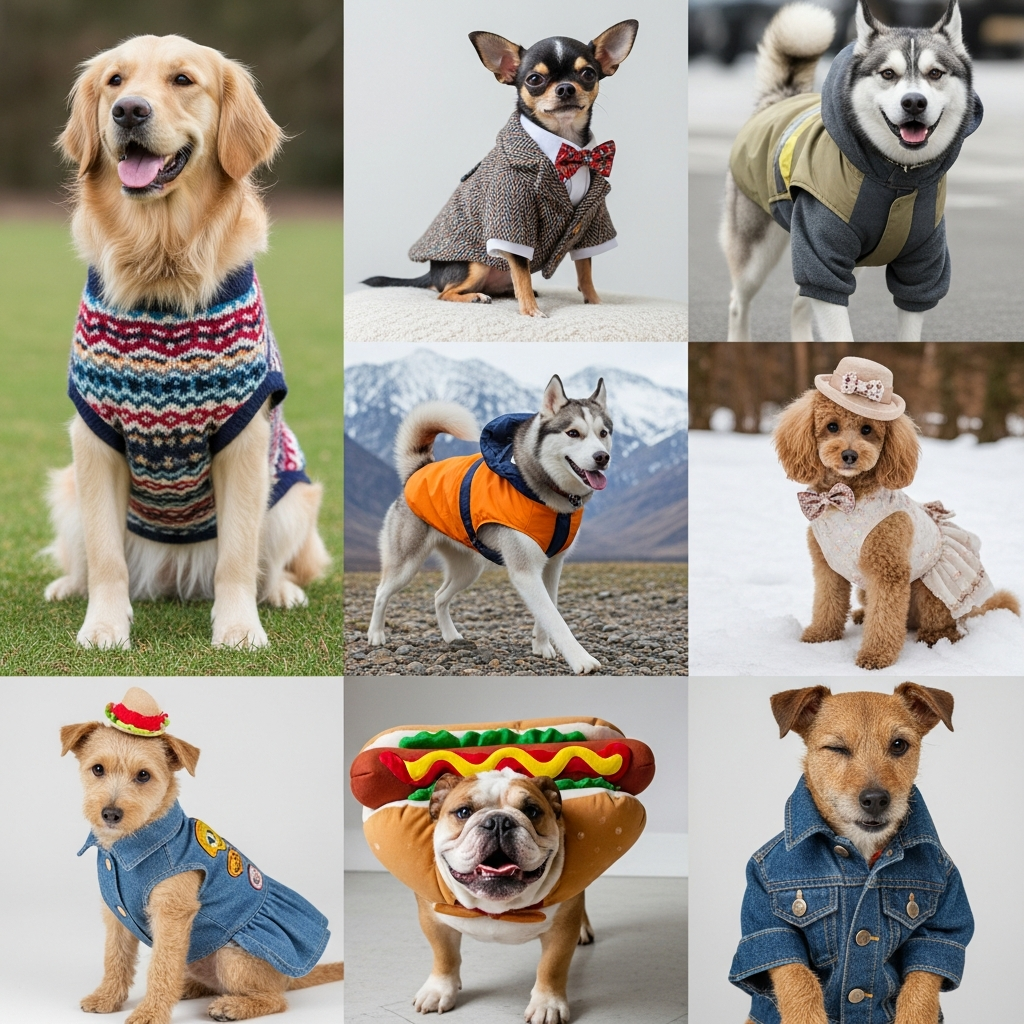
One of my biggest challenges as a consultant was helping a brand expand its apparel line. Their initial product was a huge success with Golden Retrievers, but they were getting terrible reviews from owners of French Bulldogs. The problem was obvious to me: they were just scaling the same pattern up or down. I had to explain that a French Bulldog isn't just a small Golden Retriever. It has a wider chest, a shorter back, and no tail. We had to start from scratch and create a completely new pattern block specifically for brachycephalic (short-nosed) breeds.
Designing for Unique Body Shapes
To create truly great products, you have to think in terms of body archetypes rather than just small, medium, and large. I usually group dogs into a few key categories to develop patterns.
- Average Build (e.g., Labrador, Beagle): This is your standard block and the easiest to design for.
- Deep Chest, Tucked Abdomen (e.g., Greyhound, Vizsla): These dogs need extra depth in the chest and a tapered waist. Standard coats will be too tight in the chest and baggy in the back.
- Long and Low (e.g., Dachshund, Corgi): They require a much longer back length relative to their chest girth. Leg holes also need to be positioned carefully.
- Barrel-Chested (e.g., Bulldog, Pug): These breeds need significant width in the chest and neck, with a shorter back length.
Considering Coat Type and Climate Needs
Beyond shape, you must consider the dog's natural coat. A Siberian Husky has a dense double coat and rarely needs a winter jacket, but might benefit from a cooling vest in hot climates or a rain jacket to keep its undercoat dry. A Chinese Crested, which is hairless, needs sun protection in the summer and serious insulation in the winter. A designer must think about these functional needs. A thick, insulated coat for a Bernese Mountain Dog would be irresponsible and could lead to dangerous overheating.
Conclusion
Ultimately, the best clothes for dogs are functional, safe, and designed with the dog's specific body and needs in mind. They enhance a dog's comfort, not just a human's style.

Cindy Long is the Sales Manager of Raysunpets and a pet lover with over 12 years of experience in exporting pet products. She specializes in providing customized dog chest carriers, leashes and pet accessory solutions for the European and American markets, always focusing on the real needs of customers and pets, and is committed to creating high-quality, practical and comfortable products that allow fur kids to live happier lives.