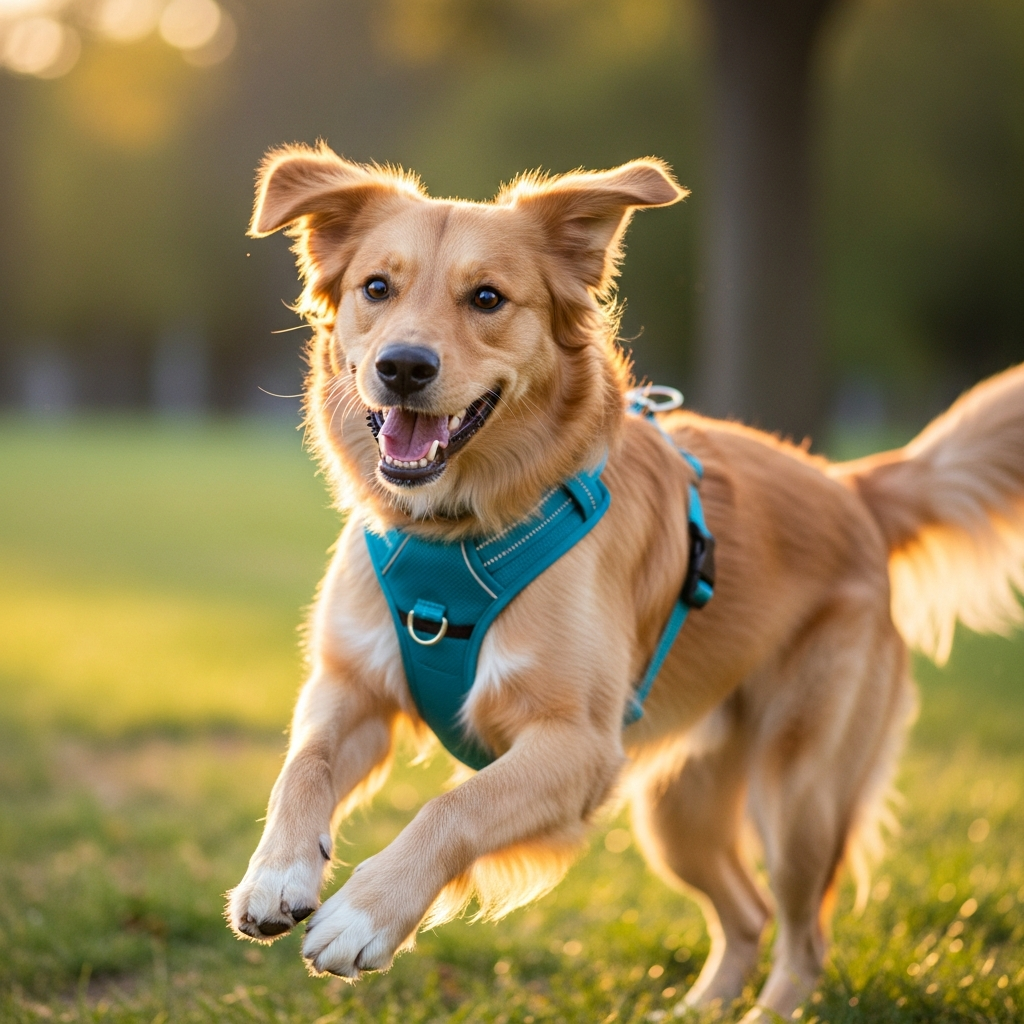
Your dog pulls constantly, making walks a stressful tug-of-war. This can hurt their neck and your arm. The right harness provides control and comfort for both of you.
The best dog harness for walking depends on your dog's needs. For dogs that pull, a front-clip, Y-shaped harness is ideal as it redirects their momentum without restricting shoulder movement. For calm walkers, a simple back-clip harness offers comfort and ease of use.
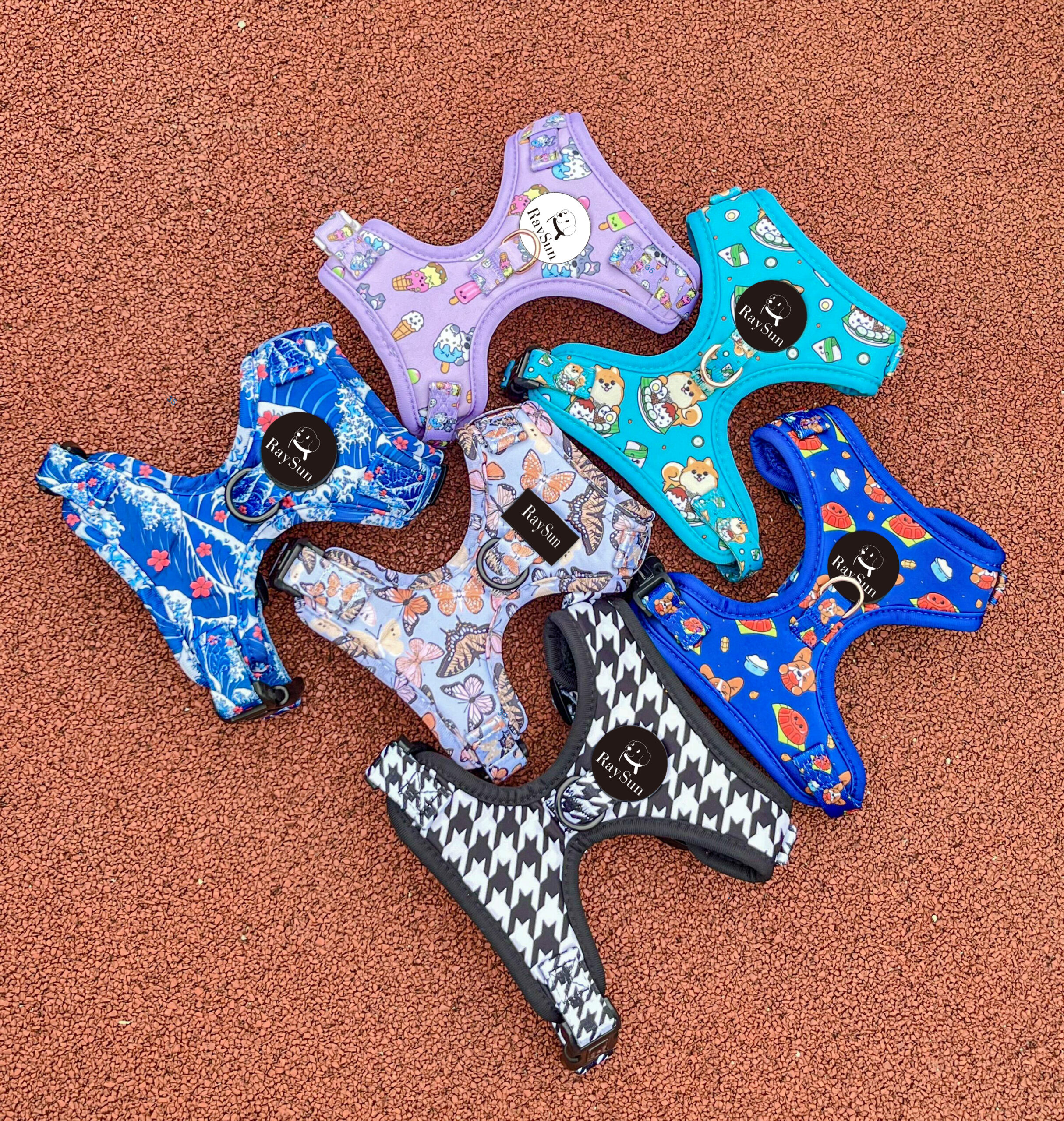
Choosing the right harness involves more than just picking a fun color off the shelf. As a product designer in the pet industry for over a decade, I've seen how small details in construction and materials can make a huge difference. Getting it right means safer, more enjoyable walks for years to come. Let's dive into the specifics that I look for when designing or recommending a harness.
How do you choose between a front-clip and a back-clip harness?
It's confusing to see so many harness styles on the market. Picking the wrong one can fail to solve pulling issues or even be uncomfortable for your dog. Understanding the core types helps.
For dogs that pull, a front-clip harness is the best choice. It gently steers your dog back towards you when they pull. For dogs who already walk nicely, a back-clip harness is a comfortable and straightforward option that keeps the leash out of their way.
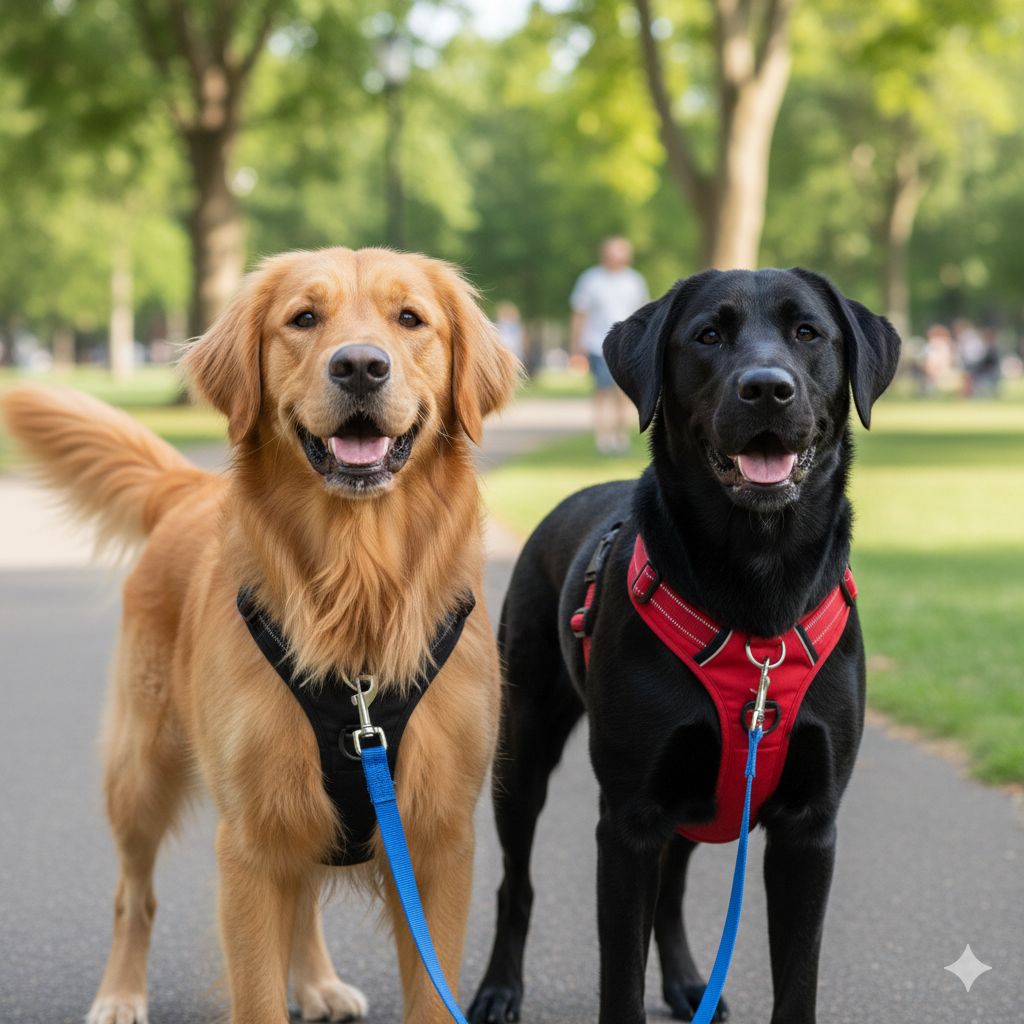
The decision between a front-clip and a back-clip harness is the most critical one you'll make. It directly impacts control and training. From a design perspective, the leash attachment point fundamentally changes how the harness distributes pressure and communicates with the dog. Both have their place, but they serve very different purposes. I always advise clients to consider the dog's behavior first, then choose the harness type that supports their training goals. A harness isn't just an accessory; it's a piece of functional gear.
Front-Clip Harnesses: The Training Tool
The main benefit of a front-clip harness, often called a "no-pull" harness, is its ability to redirect. When the dog pulls forward, the leash attached at the chest gently turns their body back towards you. This interrupts their forward momentum and discourages the pulling behavior without causing any pain or choking. It’s an excellent tool for teaching loose-leash walking.
Back-Clip Harnesses: The Standard for Comfort
A back-clip harness is the most common style. The D-ring is on the dog's back, which keeps the leash from getting tangled in their legs. This makes it very comfortable for dogs that don't pull and great for activities like hiking where you want the dog to have more freedom. However, for a dog that pulls, this design can actually encourage the behavior by engaging their opposition reflex, similar to how sled dogs are harnessed.
| Feature | Front-Clip Harness | Back-Clip Harness |
|---|---|---|
| Primary Use | Training to stop pulling | General walking, hiking |
| Control Level | High | Low to moderate |
| Comfort | Good, if fitted properly | Excellent for calm dogs |
| Best For | Pullers, reactive dogs | Well-trained dogs, small dogs |
What materials make a harness durable and comfortable?
You buy a harness that looks sturdy, but it frays or breaks after a few months. Worse, cheap materials can rub and chafe your dog's skin, causing irritation. Choosing the right materials is key.
Durable harnesses use strong webbing like nylon or polyester for the structure. For comfort, look for soft padding made from neoprene or breathable air mesh, especially around the chest and under the legs. These materials balance strength with your dog's well-being.
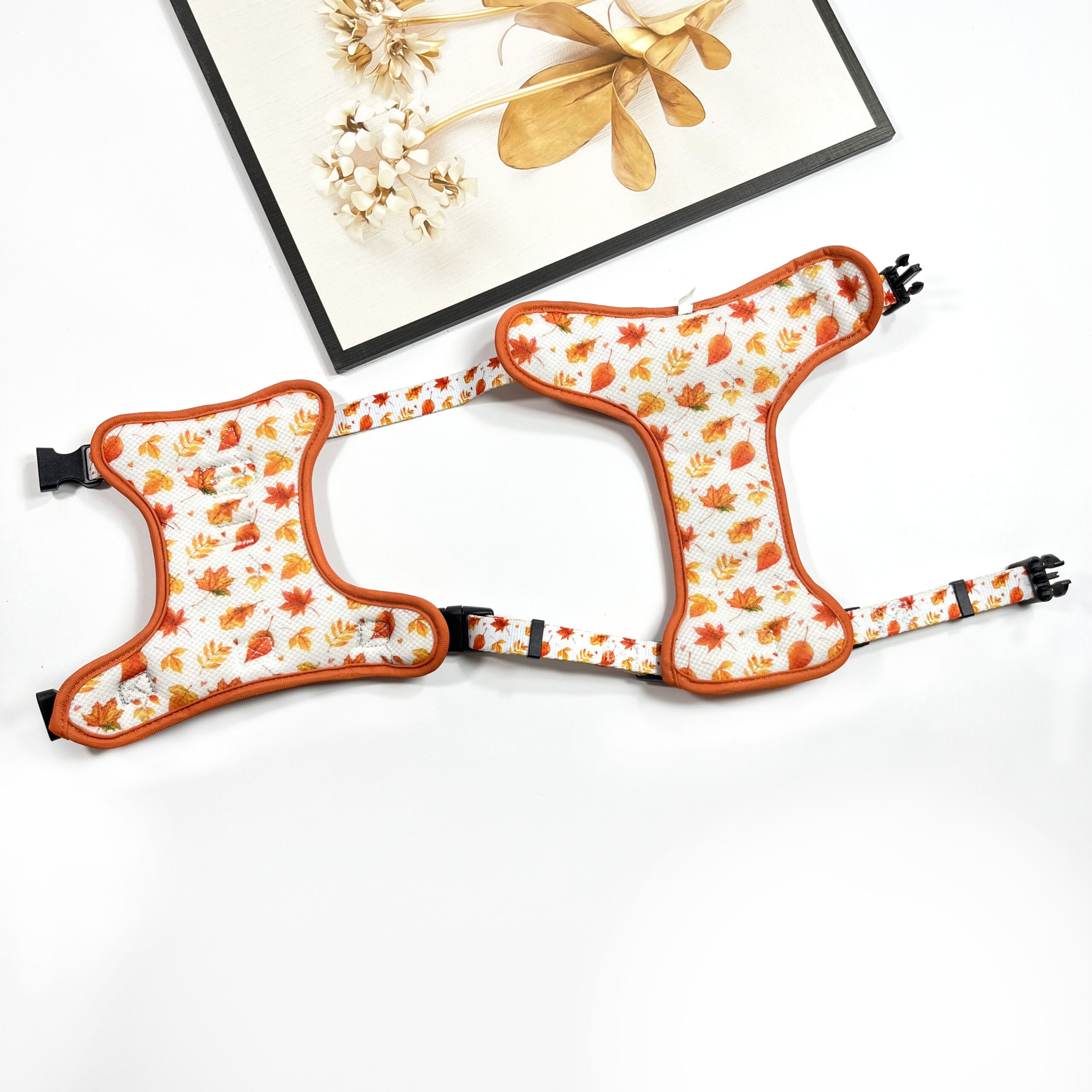
In my design work, material selection is about finding the perfect balance between performance, cost, and safety. A harness is a safety device, so the materials must withstand daily wear and tear and sudden forces. But it's also a wearable, so it needs to be comfortable for the dog for extended periods. The fabrics and foams used are just as important as the structural design itself. A great harness feels both rugged and soft to the touch.
Core Structure: The Webbing
The webbing is the skeleton of the harness. It provides all the tensile strength.
- Nylon: This is the industry standard. It's incredibly strong, affordable, and has a smooth texture. Its main drawback is that it absorbs water and can stretch slightly when wet.
- Polyester: Very similar to nylon but with the added benefit of being hydrophobic. It doesn't absorb water, making it a better choice for all-weather gear. It also has superior UV resistance, so colors won't fade as quickly.
- Ripstop Fabrics: Sometimes, webbing is integrated into a larger panel made of ripstop nylon or polyester. This is great for distributing pressure over a wider area and offers excellent tear resistance, which I recommend for very active or adventurous dogs.
Comfort Layers: The Padding
Padding prevents chafing and makes the harness comfortable for all-day wear.
- Neoprene: The same material used in wetsuits. It's soft, water-resistant, and provides excellent cushioning. I often use it to line the chest and belly straps.
- Air Mesh: This is a lightweight, breathable material. Its 3D structure allows for great airflow, making it ideal for hot climates or dogs that run warm. It dries very quickly.
How does hardware affect a harness's performance and cost?
You're comparing two similar harnesses, but one is much cheaper. The difference often lies in the hardware, like buckles and D-rings. Low-quality hardware can break, putting your dog at risk.
High-quality hardware is crucial for safety. Look for metal D-rings, preferably welded stainless steel or coated aluminum, as they are strong and rust-proof. Buckles should be made from durable plastics like POM (Acetal) that can withstand cold and repeated use without becoming brittle.
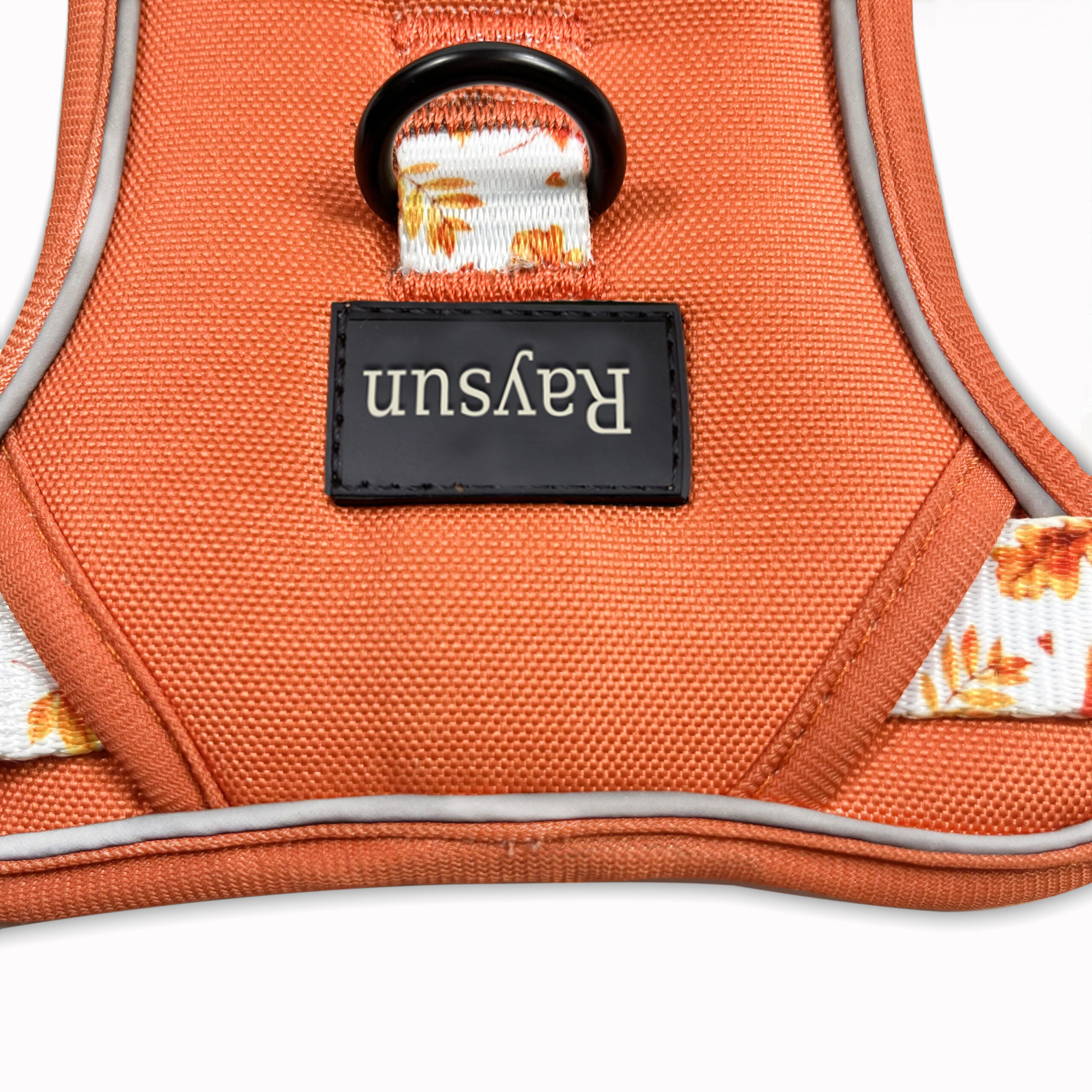
Hardware is where I see many brands cut corners to lower costs, and it's a huge mistake. The buckles and D-rings are the most critical failure points on a harness. During the design and testing phase, we put these small components through extreme stress tests to ensure they can handle a sudden lunge from a large, powerful dog. The material choice here is non-negotiable for me. It’s a matter of safety and reliability, and it’s what separates a premium product from a potential liability.
Attachment Points: The D-Rings
The D-ring is where the leash connects, so it must be strong.
- Welded Steel: This is the gold standard for strength. The ring is welded closed, so there's no gap that can be pulled open. Stainless steel or nickel-plated steel prevents rust.
- Aluminum Alloy: A fantastic lightweight alternative. It's often used in climbing gear and is extremely strong and corrosion-resistant. This is my preferred choice for performance harnesses where weight is a factor.
Fasteners: The Buckles
Buckles need to be secure but also easy for the owner to use.
- POM (Polyoxymethylene/Acetal): This is a high-performance engineering plastic. It's known for its stiffness, low friction, and excellent stability. It doesn’t get brittle in cold weather like cheaper plastics can.
- Side-Release vs. Cobra Buckles: Most harnesses use standard side-release buckles. For heavy-duty tactical or working dog gear, I sometimes specify "Cobra" style buckles made of metal, which are incredibly secure but also add significant cost and weight.
| Component | Budget Material | Premium Material | Key Benefit of Premium |
|---|---|---|---|
| D-Ring | Non-welded, chrome-plated | Welded Stainless Steel / Aluminum | Will not pull open, rust-proof |
| Buckle | Standard Polypropylene (PP) | Acetal (POM) / Metal | Stronger, durable in cold |
| Adjusters | Thin Plastic | Nylon or Acetal | Holds webbing securely, no slipping |
Conclusion
The best harness matches your dog's walking style. Focus on a front-clip for pullers, durable materials like polyester, and strong hardware like welded steel D-rings for safety.

Cindy Long is the Sales Manager of Raysunpets and a pet lover with over 12 years of experience in exporting pet products. She specializes in providing customized dog chest carriers, leashes and pet accessory solutions for the European and American markets, always focusing on the real needs of customers and pets, and is committed to creating high-quality, practical and comfortable products that allow fur kids to live happier lives.