
You see stylish dogs everywhere sporting colorful bandanas. But is it just a fashion statement, or is there a real, practical reason for them? You want accessories that are helpful, not just decorative.
No, not every dog needs a bandana for survival. However, a well-designed bandana is far more than a fashion accessory. It can serve critical functions like cooling, increasing visibility, or providing comfort, making it a surprisingly useful piece of gear for many dogs.
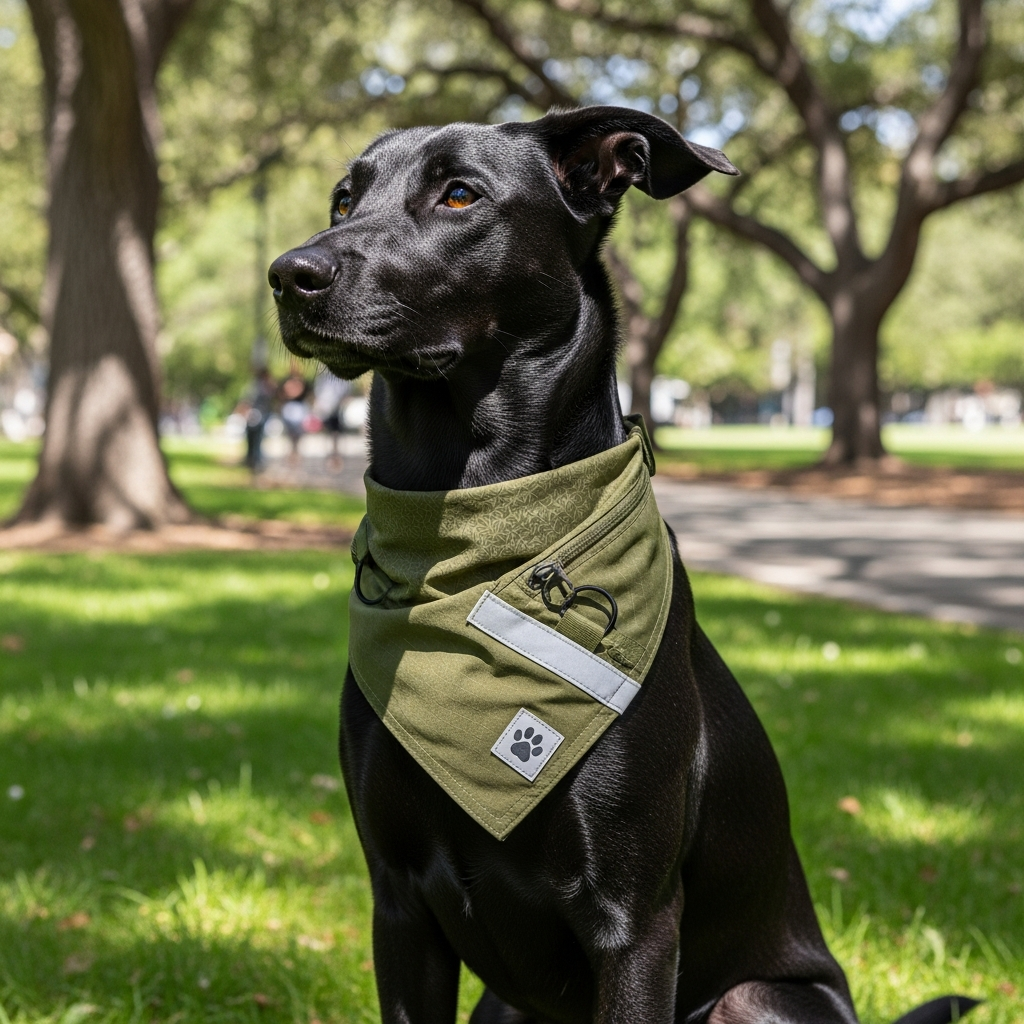
When I first started designing pet products, I viewed bandanas as a bit of a gimmick. They were cute, sure, but they didn't seem to solve a real problem. That changed when I saw designers start to integrate technical features into this simple piece of fabric. I realized the bandana is a prime piece of real estate on a dog's body—it's visible, it's near their head and chest, and it can be easily modified. The question for a designer isn't "Does a dog need one?" but rather, "What can we make this do?". Let's explore how this humble accessory can become an essential part of a dog's kit.
When Can A Bandana Be A Functional Piece Of Gear?
You see bandanas as pure decoration. It feels like a missed opportunity to add real value. Let's look at how to make them genuinely useful for a dog's well-being.
A bandana becomes functional when its design and material are chosen for a specific task. Cooling bandanas use evaporative fabrics, visibility bandanas use reflective strips, and calming bandanas can be infused with soothing scents. Its function is defined by its design.
The most exciting projects I've worked on are those that transform a simple product into a multi-functional tool. The bandana is a perfect canvas for this kind of innovation. For a designer like Frank, thinking this way opens up a whole new category of product development. Instead of just picking a pattern, you're engineering a solution. The goal is to create a bandana that an owner reaches for not just because it looks good, but because it helps their dog.
From Fashion to Function
Here are the key functional applications I focus on when designing modern bandanas:
-
Cooling Technology: On hot days, a dog's neck and chest are key areas for cooling. While any wet cloth helps, a purpose-built cooling bandana is far more effective. These are made from specialized evaporative fabrics (like PVA or multi-layered polyester) that absorb and hold a lot of water. As the water evaporates, it creates a significant cooling effect against the dog's skin, helping to prevent overheating during walks or playtime.
-
Safety and Visibility: A bandana is a highly visible area. By using fluorescent, high-contrast colors (like neon orange or yellow), a bandana makes a dog much easier to see during the day, especially in wooded areas. For low-light conditions, I integrate high-quality reflective materials like 3M Scotchlite trim or patterns. The design challenge is placing these reflective elements so they are visible from the front and sides.
-
Aromatherapy and Comfort: For anxious dogs, a bandana can become a mobile diffuser. By including a small patch of porous material, like felt or wool, the owner can apply a few drops of a dog-safe calming spray. The scent stays close to the dog's nose, providing a subtle, constant sense of comfort in stressful situations like car rides or vet visits.
What Materials Make The Best Multi-Purpose Bandanas?
Choosing the wrong fabric makes a bandana uncomfortable or useless. A fashion bandana made of thick polyester won't cool anyone down. You need a material that is safe, durable, and perfectly suited for its job.
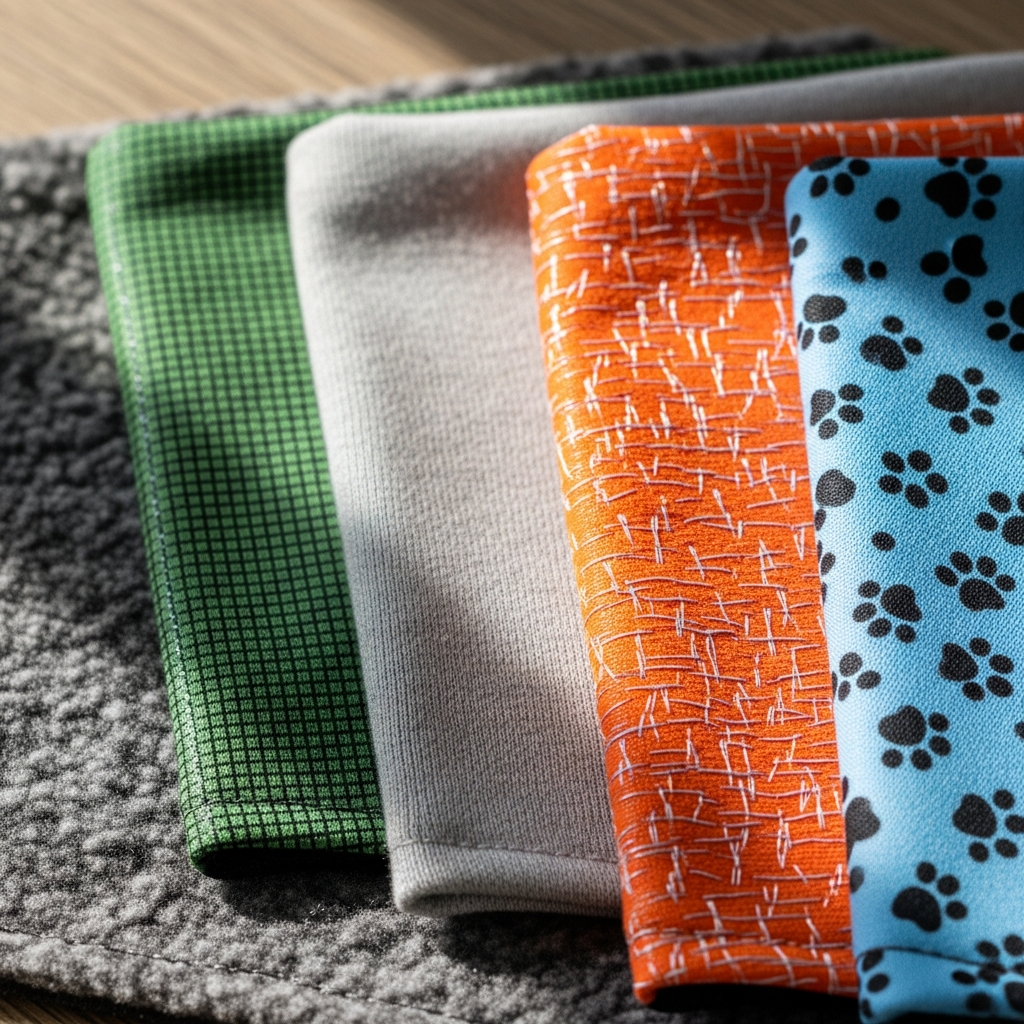
For cooling, choose specialized evaporative fabrics. For high visibility, use durable, colorfast polyesters. For everyday comfort or applying scents, breathable cotton or soft cotton-poly blends work best. Material selection must always match the bandana's primary purpose.
I learned a hard lesson about material choice early in my career. I designed a line of brightly colored bandanas using an inexpensive polyester. They looked great, but after a few test washes, the colors started to bleed, and we got feedback that they weren't breathable. It taught me that the material isn't just a detail; it's the foundation of the product's quality and function. Frank would know that a designer's material library is one of their most valuable assets.
Technical Fabrics vs. Natural Fibers
The choice between a technical fabric and a natural one depends entirely on the bandana's intended function. Neither is inherently "better," they just have different jobs. A technical polyester is unmatched for a visibility bandana because it holds vibrant, fluorescent dyes exceptionally well and can be easily printed with reflective patterns. It's also durable and dries quickly. On the other hand, for a simple comfort bandana or one for a dog with sensitive skin, a soft, breathable 100% cotton is a much better choice.
Here’s a breakdown of how I choose materials for different bandana types:
| Material | Best Use Case | Pros | Cons |
|---|---|---|---|
| 100% Cotton | Fashion, Scent Application | Soft, breathable, hypoallergenic | Holds moisture, can stretch, colors may fade. |
| Polyester | Visibility, General Durability | Durable, colorfast, quick-drying, great for prints. | Less breathable, can hold odors if not washed properly. |
| Evaporative Fabric (PVA) | Active Cooling | Absorbs huge amounts of water, provides powerful cooling. | Can feel stiff or rubbery when completely dry. |
| Cotton/Poly Blend | All-Purpose Everyday Wear | Good balance of softness, durability, and wrinkle resistance. | Less breathable than pure cotton, less durable than pure poly. |
How Should A Bandana Fit For Safety And Comfort?
A poorly fitting bandana is more than just a sloppy look; it can be a serious safety hazard. If it's too tight it can restrict breathing, and if it's too loose it can get caught on branches or furniture.
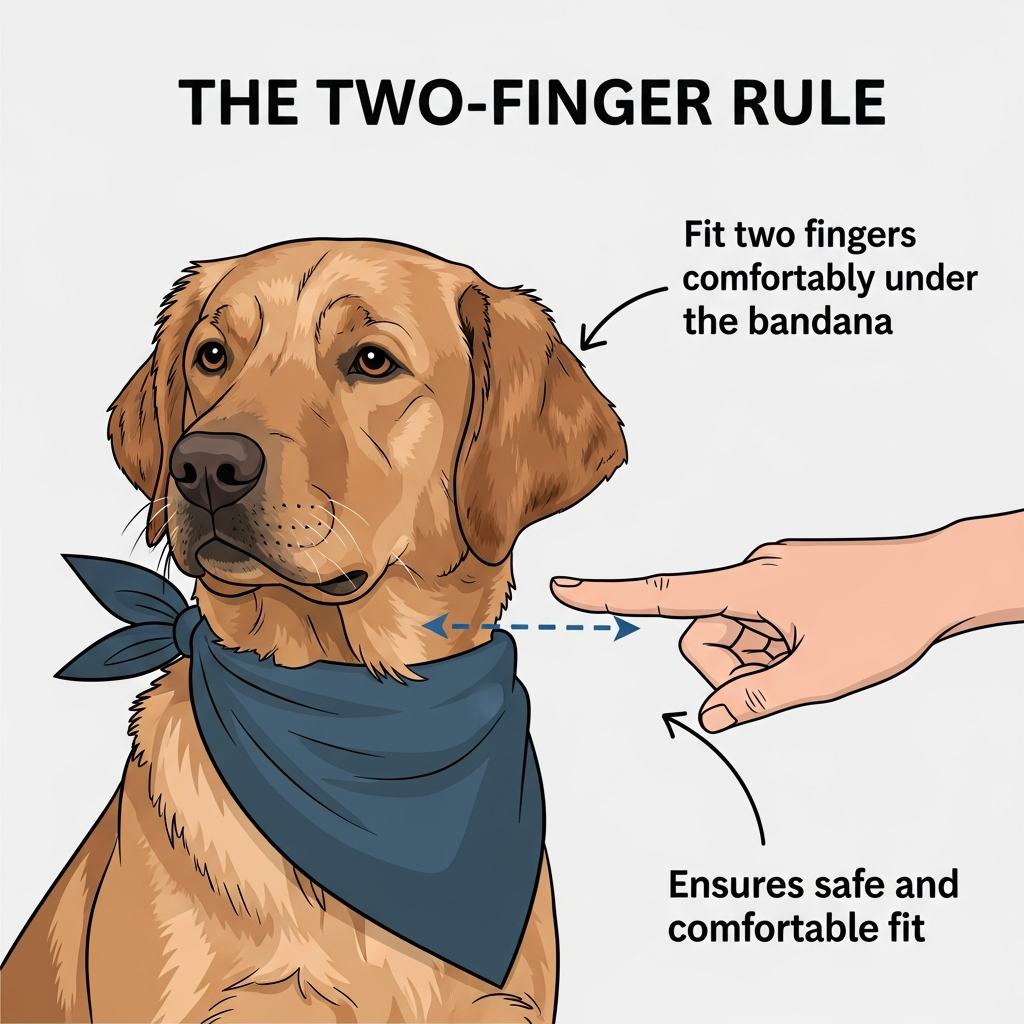
A safe bandana fit is snug enough to stay in place but loose enough that you can easily slide two fingers between it and the dog's neck. It should not be able to rotate completely around the neck or dangle low enough to get caught or be chewed on.
When designing any wearable dog product, my first thought is always "how could this go wrong?". For bandanas, the primary risk is snagging or choking. This is why I've moved away from the traditional "tie-on" square in my own designs, especially for active dogs. A simple knot can get pulled impossibly tight if the bandana gets caught on something. This is a critical safety consideration that any designer, like Frank, must prioritize over aesthetics.
Designing a Safer Fit
The classic folded square tied around the neck is simple, but it's not the safest or most comfortable design. Here are some improved approaches:
- Curved Neckline: Instead of a straight edge, a bandana with a curved top edge sits much more comfortably and naturally around a dog's neck. This reduces bunching and helps it lie flat.
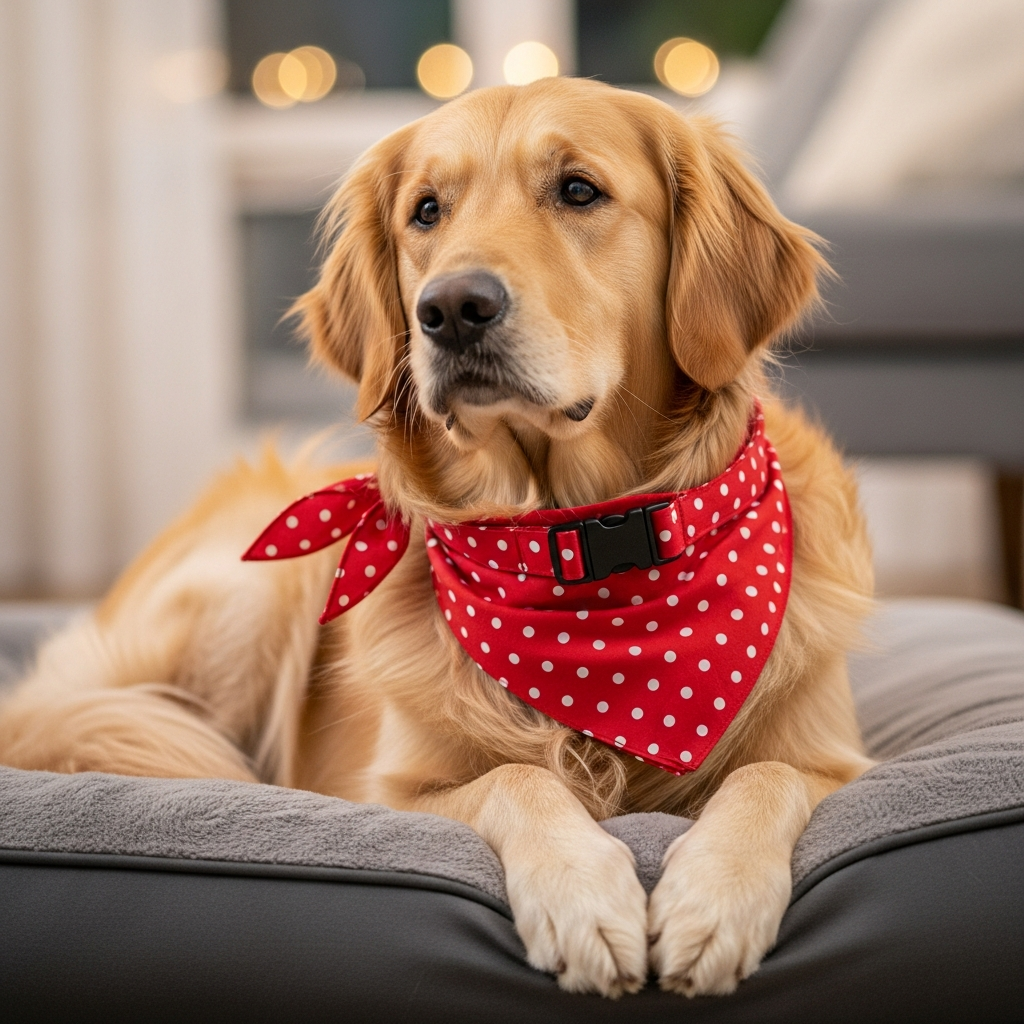
- Snap or Buckle Closures: Replacing the knot with a set of snaps or a small, lightweight side-release buckle provides a more secure and consistent fit. For ultimate safety, a breakaway buckle (like those used on cat collars) can be used for bandanas intended for all-day wear without supervision.
- Through-Collar Design: This is one of my favorite safe designs. The bandana is essentially a fabric sleeve that the dog's existing collar slides through. This completely eliminates the risk of the bandana itself getting too tight, as it's secured by the properly fitted collar. It also can't get lost.
The fit isn't just about safety; it's also about function. For a cooling bandana to work, it needs to have gentle contact with the skin and fur on the neck and chest, not hang loosely away from the body. A well-designed fit ensures the product can do its job effectively.
Conclusion
So, while not every dog needs a bandana, a thoughtfully designed one can be a valuable tool for their safety and comfort. It's a prime example of how good design can elevate a simple item.

Cindy Long is the Sales Manager of Raysunpets and a pet lover with over 12 years of experience in exporting pet products. She specializes in providing customized dog chest carriers, leashes and pet accessory solutions for the European and American markets, always focusing on the real needs of customers and pets, and is committed to creating high-quality, practical and comfortable products that allow fur kids to live happier lives.