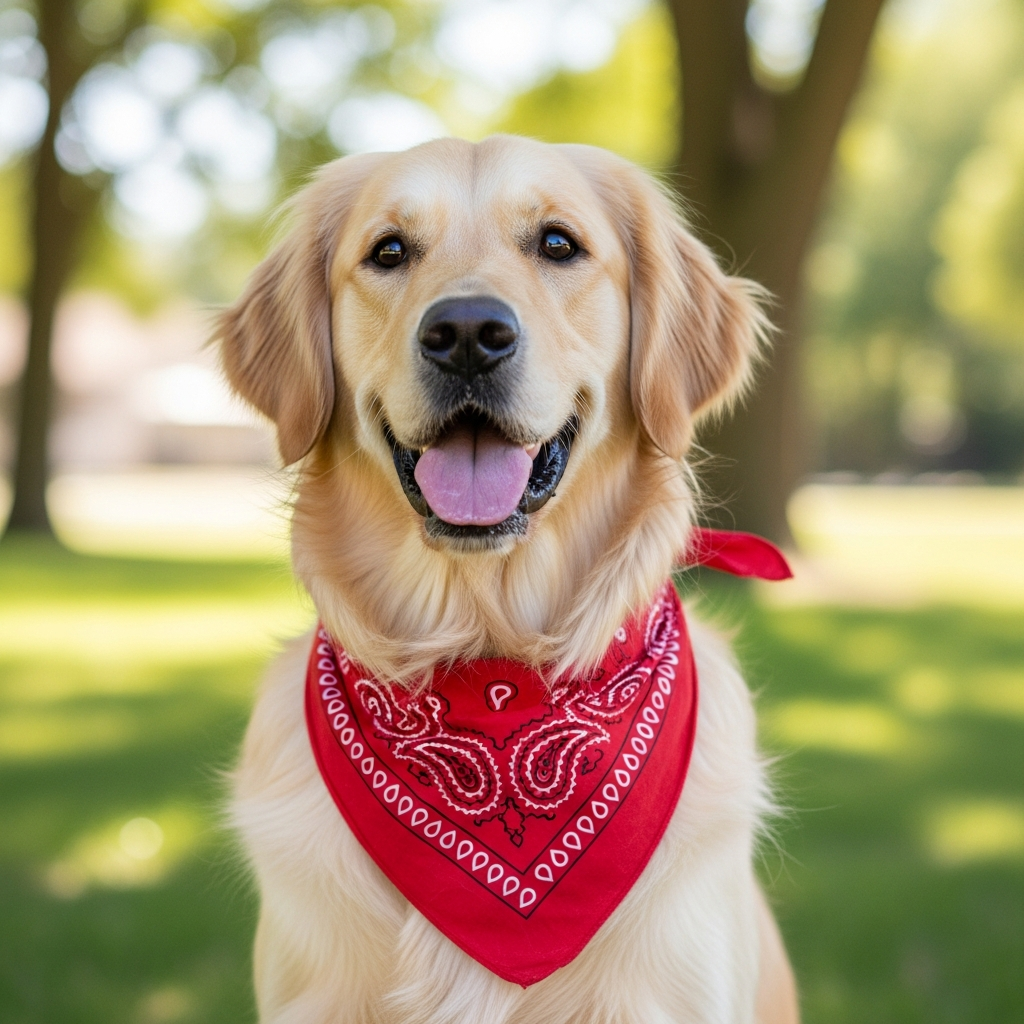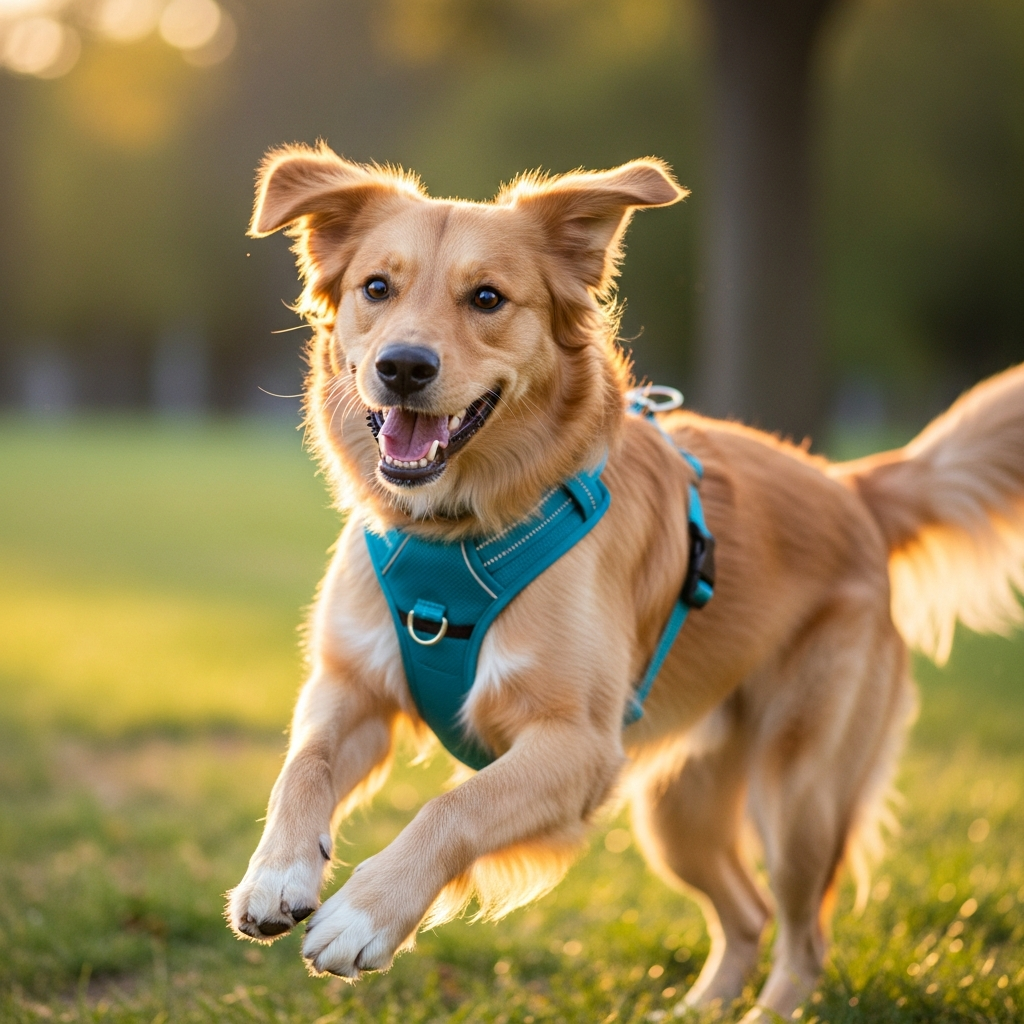
Walking your dog shouldn't feel like a wrestling match. If your dog pulls, lunges, or zigzags uncontrollably on walks, you're not alone – but it doesn't have to stay this way.
Teaching loose-leash walking requires patience and consistency. Start indoors with minimal distractions, reward every step where the leash stays slack, and gradually increase difficulty. This builds muscle memory for polite walking behaviors before facing outdoor challenges.
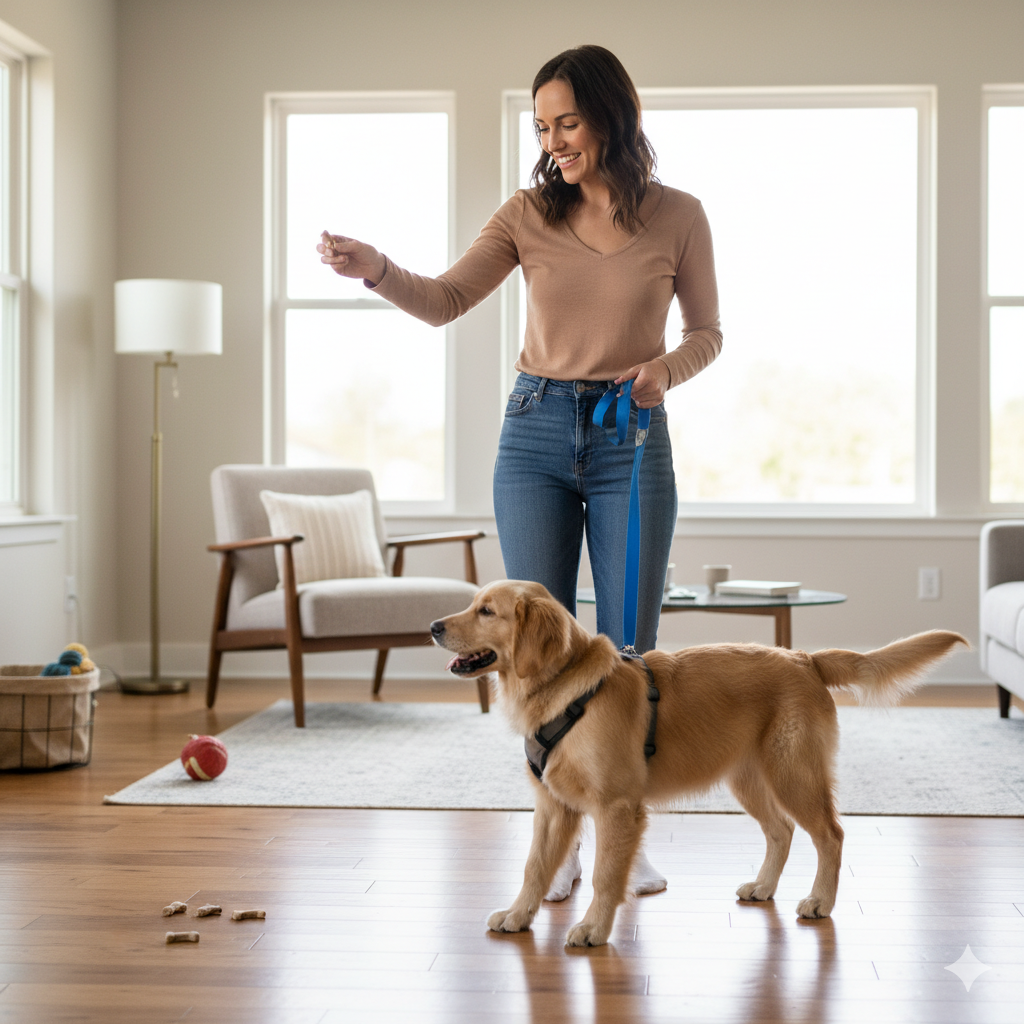
The key is understanding why dogs pull. They're not being stubborn – they either want to explore faster or haven't learned what you expect. With the right approach, even energetic dogs can master relaxed leash manners.
Why Does My Dog Pull on the Leash?
You brace yourself every time you clip on the leash. Your arm aches from constant tugging. Why does walking politely seem impossible for your dog?
Dogs pull because it works – tension on the leash often speeds their movement toward interesting smells. They need consistent feedback that pulling stops forward progress while loose leash walking earns rewards. It's simple cause-and-effect from their perspective.
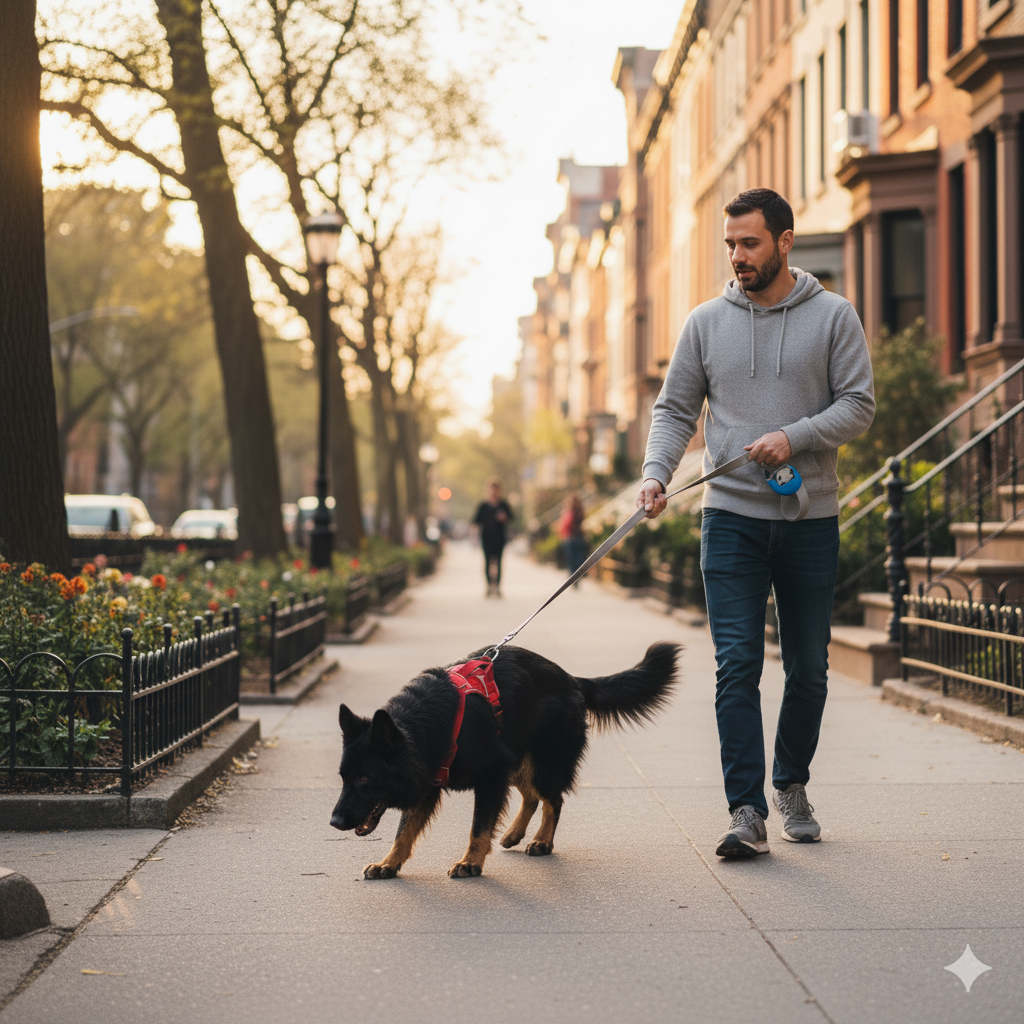
Breaking Down Leash Pulling Behavior
Leash issues typically stem from three factors:
| Reason for Pulling | Solution Approach | Equipment That Helps |
|---|---|---|
| Excitement/Overstimulation | Desensitization training | Front-clip harness |
| Lack of Training | Reward-based shaping | Standard 6-foot leash |
| Reflex Against Pressure | Change direction when leash tightens | Martingale collar |
For habitual pullers, these strategies work best:
- The Red Light Game: Stop completely when leash tightens, only proceed when slack returns. Teaches that pulling = stopped progress.
- Direction Changes: Randomly turn 180° when dog forges ahead. They learn to check your movement.
- High-Value Rewards: Use extra tasty treats only for leash training to increase motivation.
Practice in short 5-minute sessions initially – canine attention spans are limited. Gradually increase duration as skills improve.
What's the Best Leash Training Equipment?
The pet aisle overwhelms with options – harnesses, head halters, special collars. Which tools actually help without causing discomfort?
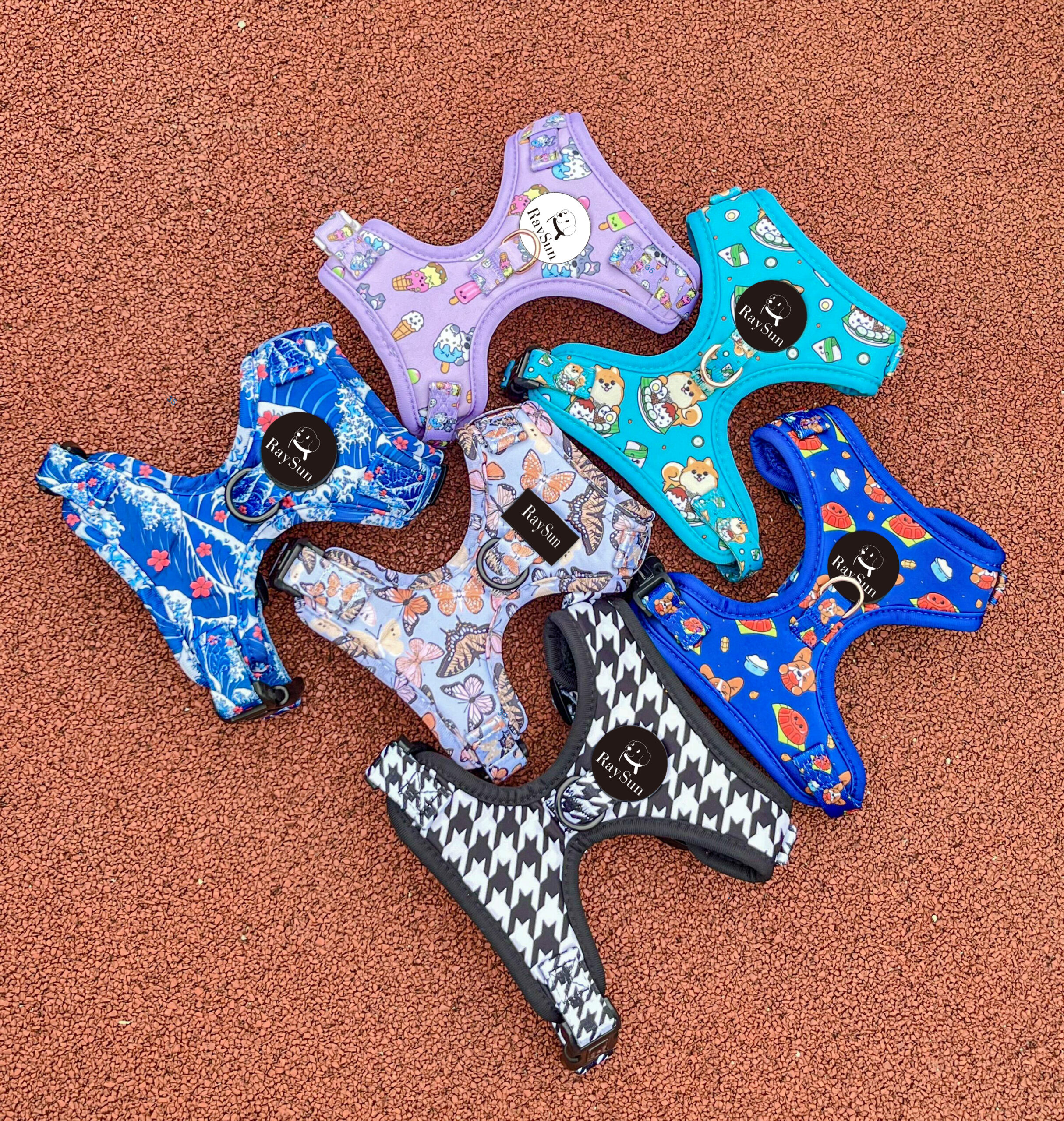
For most dogs, a front-clip harness provides safest control without choking risk. Avoid retractable leashes – they teach constant tension. A standard 4-6 foot leash offers optimal communication. Equipment assists training but doesn't replace it.
Equipment Pros and Cons Compared
Here's how common tools stack up:
| Equipment Type | Best For | Drawbacks |
|---|---|---|
| Flat Collar | Already trained dogs | Can encourage pulling |
| Martingale Collar | Greyhounds/slip-prone dogs | Limited training function |
| Front-Clip Harness | Strong pullers | Some dogs dislike fit |
| Head Halter | Extreme pullers | Requires acclimation |
| Back-Clip Harness | Casual walkers | Doesn't deter pulling |
Key considerations:
- Fit matters more than style: Measure your dog's girth carefully
- Avoid aversives: Prong/pinch collars may suppress behavior but don't teach alternatives
- Layer tools wisely: Pair harness with training leash for beginner dogs
Remember: No equipment fixes pulling alone. Combine proper gear with consistent reinforcement of desired behaviors.
How Long Until My Dog Walks Politely?
You've been diligently training for weeks. When will walks finally feel enjoyable rather than exhausting?
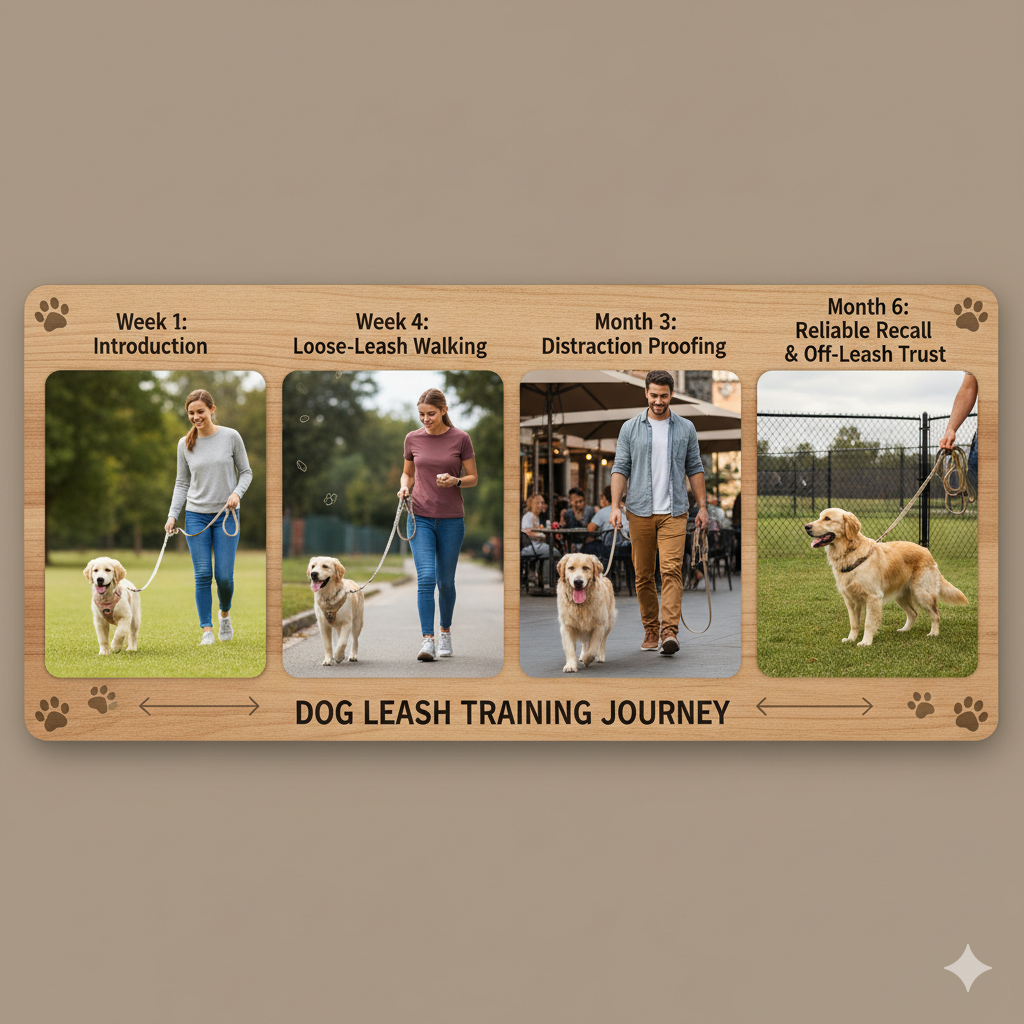
Most dogs show noticeable improvement within 3-4 weeks of daily training. Complete reliability typically takes 2-3 months depending on age, breed, and consistency of practice. Adolescent dogs often regress temporarily – stay patient!
Realistic Training Milestones
Here's what to expect:
First Week:
- Brief moments of loose leash
- Frequent stopping/changes direction
- High treat frequency
Month One:
- Longer stretches of polite walking
- Fewer corrections needed
- Can introduce mild distractions
Month Three+:
- Reliability in most environments
- Verbal cues replace constant treating
- Comfortable 30+ minute walks
Set realistic goals:
- Start indoors/low-distraction areas
- Celebrate small improvements
- Keep sessions short initially
- If regressing, reduce difficulty level
Some breeds (like scent hounds) inherently find loose-leash walking more challenging. Adjust expectations accordingly while maintaining standards.
Conclusion
Transforming chaotic walks into pleasant strolls takes consistent positive training. With proper techniques and realistic expectations, even energetic dogs can learn leash manners.

Cindy Long is the Sales Manager of Raysunpets and a pet lover with over 12 years of experience in exporting pet products. She specializes in providing customized dog chest carriers, leashes and pet accessory solutions for the European and American markets, always focusing on the real needs of customers and pets, and is committed to creating high-quality, practical and comfortable products that allow fur kids to live happier lives.