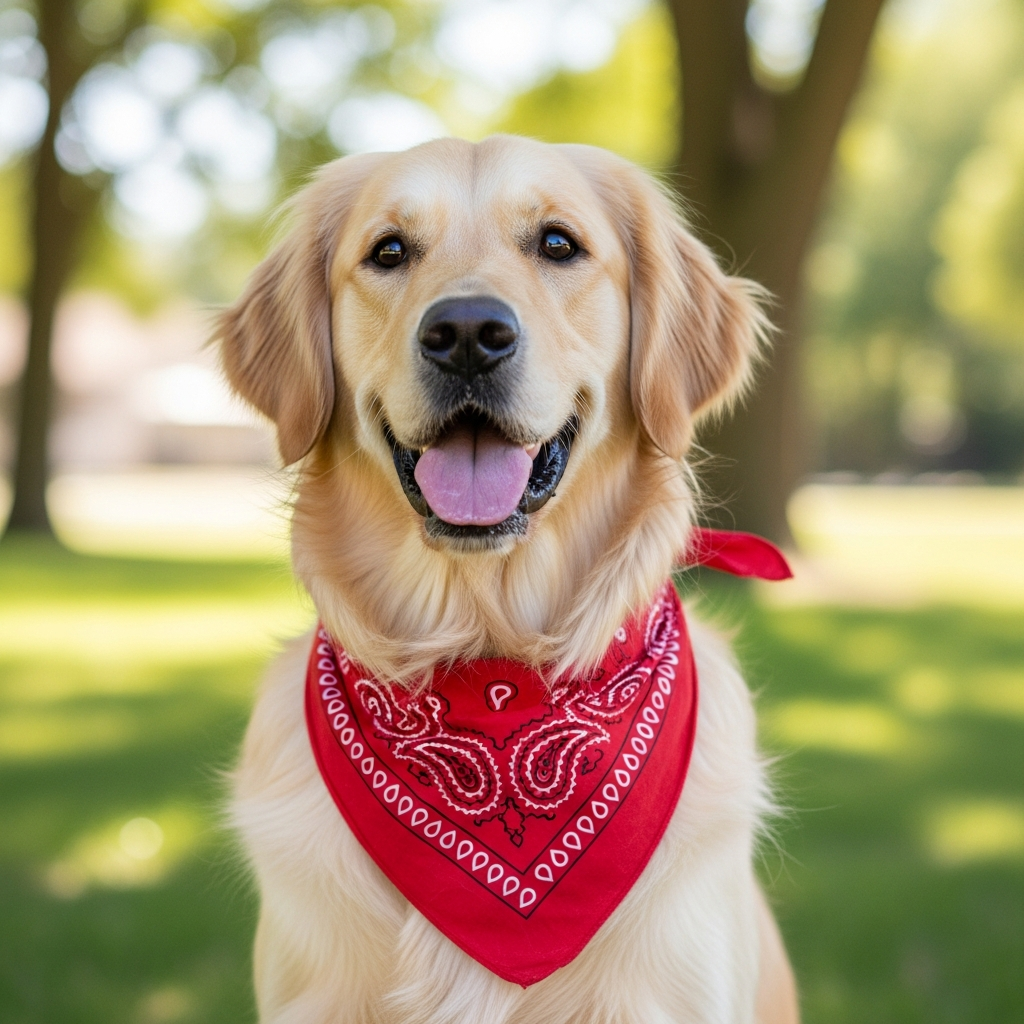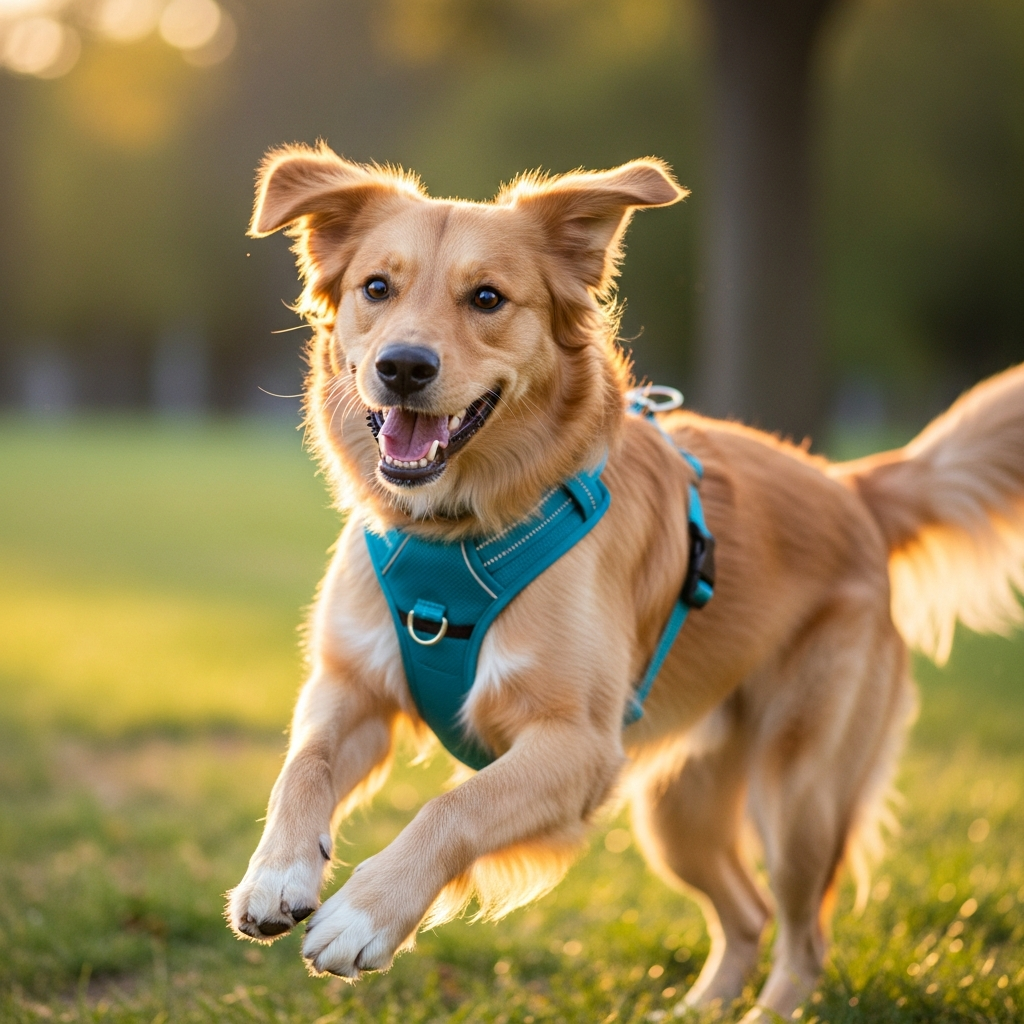
Struggling to find a harness that fits your deep-chested dog? Poor fits cause chafing and escapes. The right design provides security and comfort for your unique pup.
The best harnesses for deep-chested large breeds feature a Y-shaped front, multiple adjustment points (especially around the chest and waist), and ample padding. These designs prevent restricted movement, chafing, and slipping, ensuring a secure and comfortable fit for their unique anatomy.
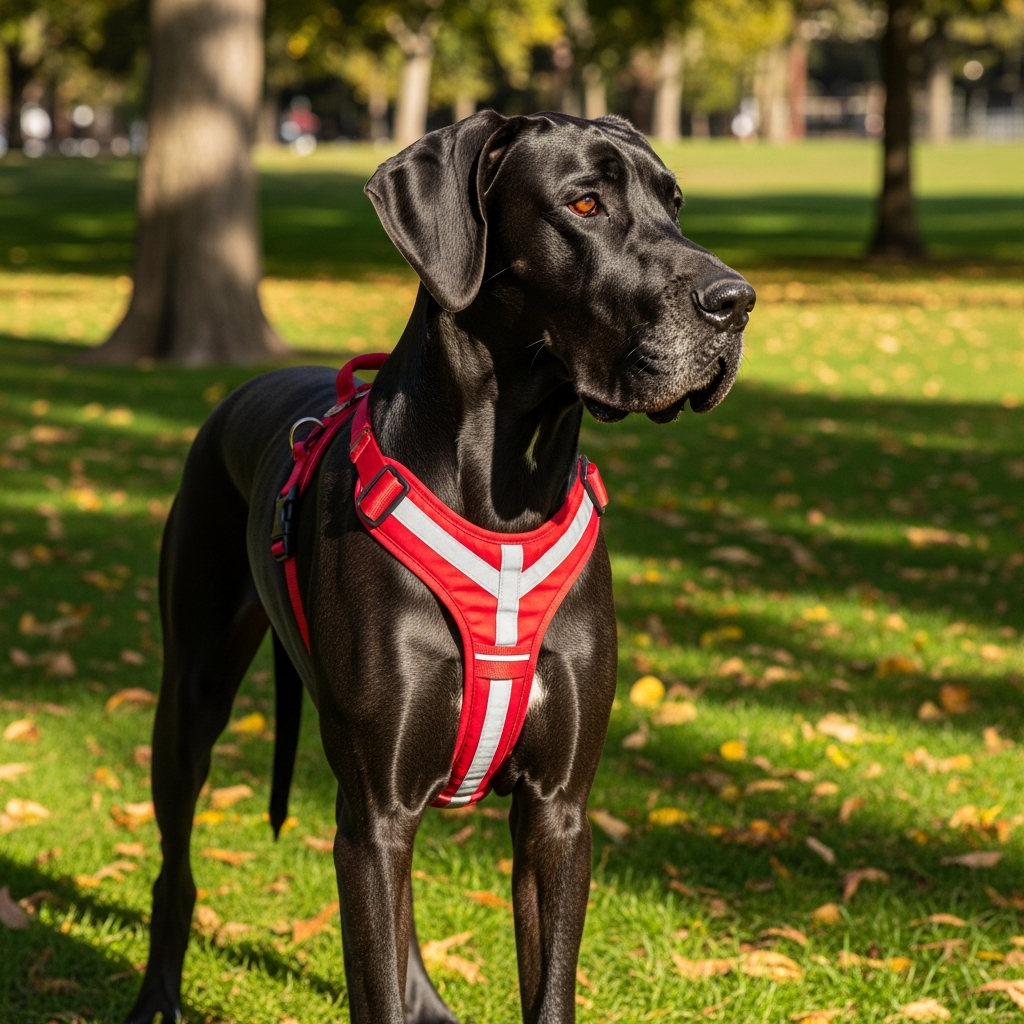
Finding that perfect fit can feel like a huge challenge. I've spent years designing and testing harnesses, and I've seen firsthand how the wrong harness can cause problems for dogs with this specific build. It's not just about size; it's about shape. Let’s break down exactly what to look for so you can walk your dog with confidence.
Why Do Standard Harnesses Fail for Deep-Chested Dogs?
Tired of harnesses that slip, chafe, or restrict your dog's movement? Standard designs often ignore the unique deep-chest, narrow-waist build. Understanding the mismatch is the first step.
Standard harnesses often fail because they are designed for a more uniform barrel-chested build. On deep-chested dogs, they create pressure points on the sternum, chafe under the front legs, and the belly strap often slides forward, allowing for easy escapes.
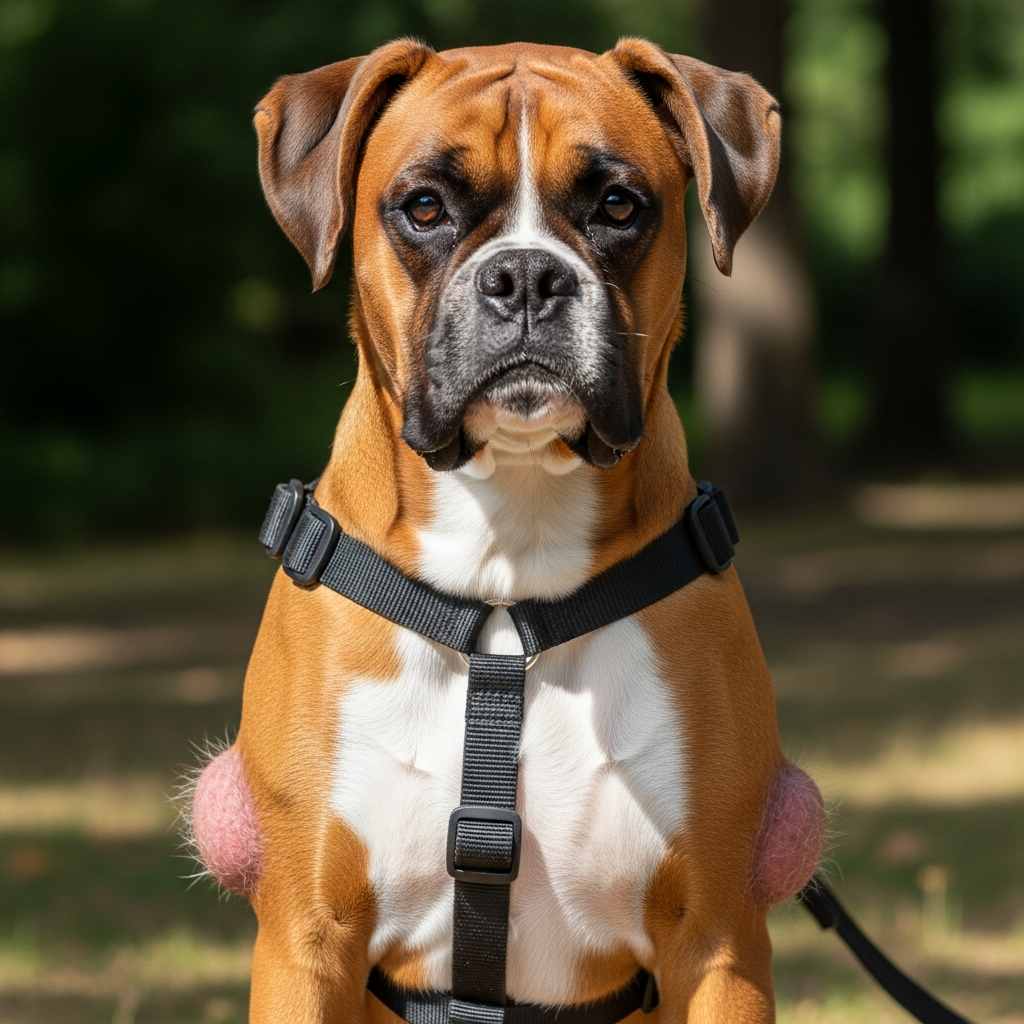
From my experience in product design, the core issue is a fundamental mismatch in geometry. Standard harnesses are built on a single-girth measurement. This works for breeds like Labradors, but not for Dobermans or Greyhounds. A deep-chested dog's rib cage is proportionally much larger and deeper than their waist. This creates two major problems.
Common Failure Points of Standard Harnesses
First, the shoulder area is often restricted. Many harnesses have a horizontal strap that sits right across the shoulders. This design directly interferes with the natural extension and flexion of the shoulder joint during movement, which can lead to an altered gait and long-term joint issues. Second, the single girth strap behind the legs sits in a "no-man's land." To be snug enough to prevent escape, it has to be uncomfortably tight, leading to chafing. If it's loose enough to be comfortable, it slides forward into the armpits, creating an escape route.
| Problem Area | Why It Happens | Consequence for the Dog |
|---|---|---|
| Shoulder Restriction | Horizontal chest straps | Impedes natural gait, potential joint stress |
| Chafing Under Legs | Girth strap slides forward | Painful skin irritation and rubbing |
| Easy Escapes | Harness doesn't cinch behind the deep chest | High risk of the dog backing out of the harness |
What Design Features Make a Harness Ideal for a Deep Chest?
Are you searching for specific features that guarantee a secure and comfortable fit? The solution lies in harnesses designed with adjustability and anatomy in mind, not just a single size.
The most ideal harnesses for deep-chested dogs have a Y-shaped front piece to free up shoulder movement and at least four, preferably five, points of adjustment. This ensures you can customize the fit around the neck, deep chest, and narrower waist independently.
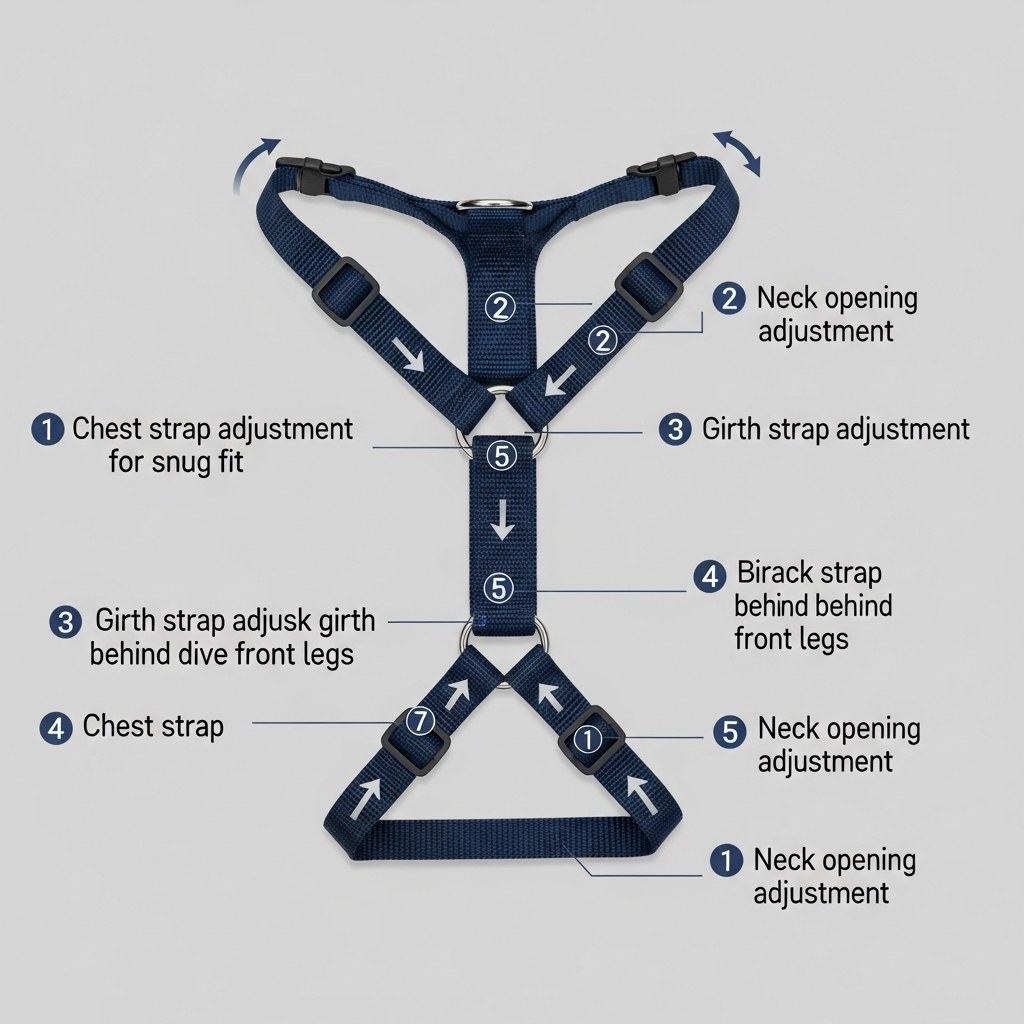
When I was designing the RaysunPet dog harness, we focused on these exact features. The key is to separate the fitting zones. A Y-shaped design does this perfectly. It comes down the chest and splits, leaving the shoulder blades completely free to move. This is crucial for athletic breeds. The next critical feature is multiple, independent adjustment points. A standard harness might only let you adjust the girth. For a deep-chested dog, you need more control.
Must-Have Harness Features
Look for a harness that lets you adjust the neck straps, the chest straps, and the strap connecting the neck and girth pieces. Some of the best designs have five points of adjustment, adding sliders on the back and chest panels. This level of customization allows you to create a snug fit behind that deep rib cage without constricting the neck or shoulders. Padded straps, especially on the front chest plate and under the belly, are non-negotiable. They distribute pressure evenly and prevent rubbing on sensitive areas.
| Feature | Benefit for Deep-Chested Dogs | What to Look For |
|---|---|---|
| Y-Shaped Front | Allows full range of shoulder motion. | Straps form a "Y" over the chest, not a horizontal bar. |
| Multiple Adjustment Points | Customizes fit for deep chest and narrow waist. | At least 4 sliders: two on neck, two on girth. |
| Padded Panels | Prevents chafing and distributes pressure. | Soft, breathable padding on chest and belly straps. |
| Dual Clip Options | Offers training and walking versatility. | A ring on the chest (for no-pull) and on the back. |
How Do You Measure and Fit a Harness for a Deep-Chested Breed Correctly?
Worried you'll still get the fit wrong even with the right harness? An accurate measurement is your best tool. Following a simple process ensures you use those adjustment points correctly.
To fit a deep-chested breed, take two key measurements: the neck circumference and the chest girth at its deepest point, usually an inch or two behind the front legs. Use these numbers, not just weight, to choose a size from the manufacturer's chart.
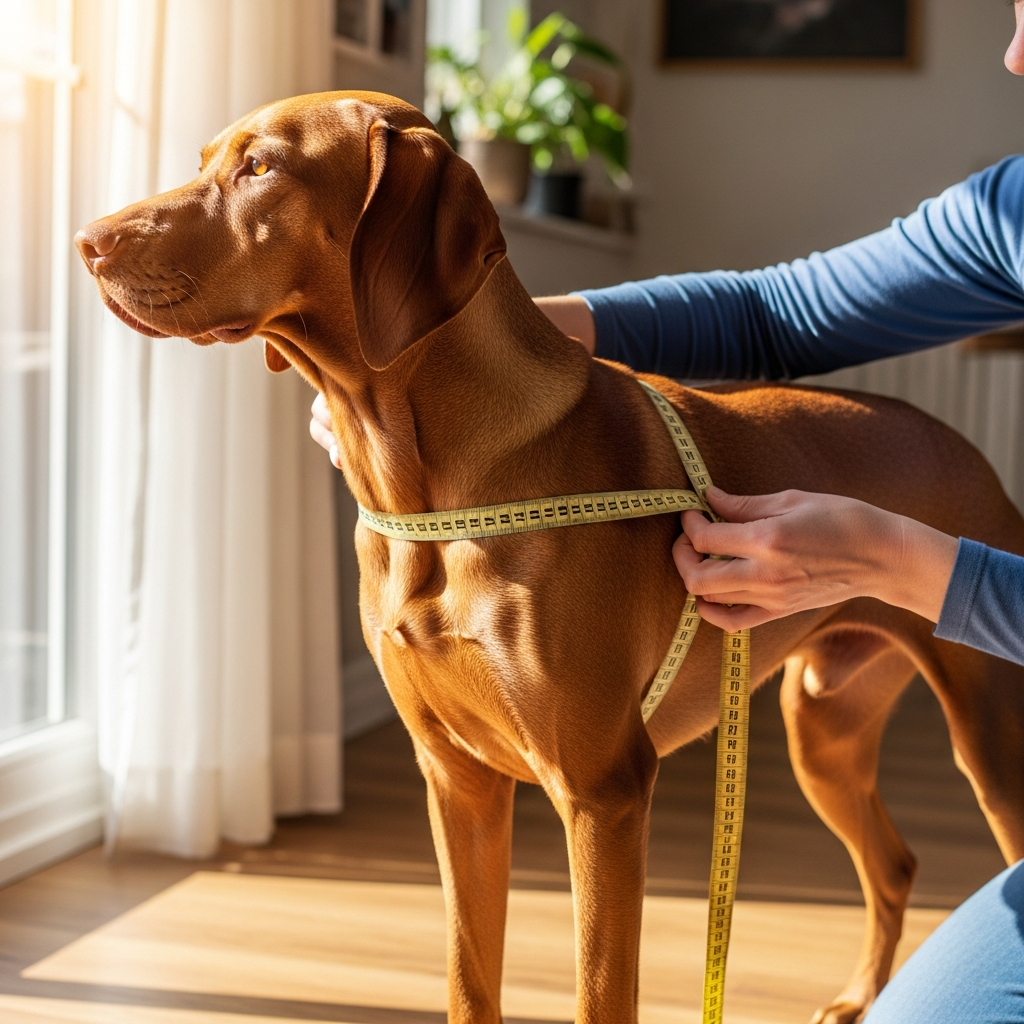
I always tell my clients to grab a soft tailor's tape measure; it's the most important tool you have. Don't guess or use a metal tape measure. First, measure the base of the neck where a collar would sit. Then, find the widest part of your dog's rib cage. It’s critical to measure this specific spot. Once you have your numbers, check the brand's size chart. If your dog is between sizes, I generally recommend sizing up, especially for a harness with high adjustability. This gives you more room to tighten the straps for a perfect fit.
A Step-by-Step Fitting Guide
Once the harness arrives, loosen all the straps completely. Put it over your dog’s head and follow this sequence:
- Adjust the Neck: Fasten the neck straps. You should be able to comfortably fit two fingers between the strap and your dog's neck.
- Position the Girth Strap: Ensure the girth strap sits well behind the "armpit" area to prevent chafing.
- Tighten the Girth: Secure the girth strap. Again, use the two-finger rule for a snug but not restrictive fit.
- Check the Connections: Adjust the back and chest connector straps to ensure the harness sits flat and doesn't pull or bunch up anywhere.
Finally, check for shoulder movement. Ask your dog to walk a few steps and watch their front legs. The harness should not slide or impede their natural stride.
Conclusion
Finding the right harness comes down to choosing a Y-shape with multiple adjustment points and fitting it correctly. This ensures your deep-chested dog is both secure and comfortable on every walk.

Cindy Long is the Sales Manager of Raysunpets and a pet lover with over 12 years of experience in exporting pet products. She specializes in providing customized dog chest carriers, leashes and pet accessory solutions for the European and American markets, always focusing on the real needs of customers and pets, and is committed to creating high-quality, practical and comfortable products that allow fur kids to live happier lives.